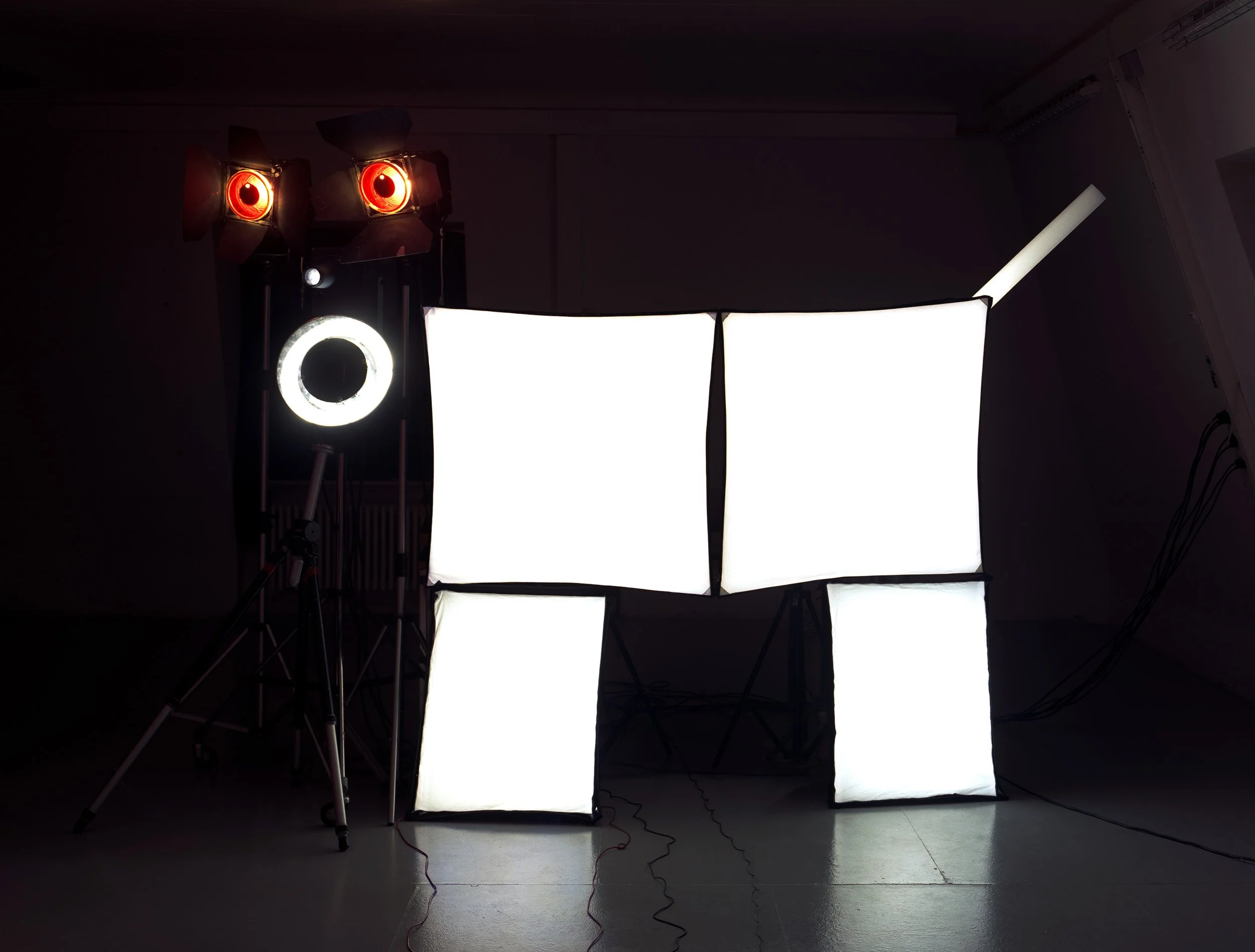
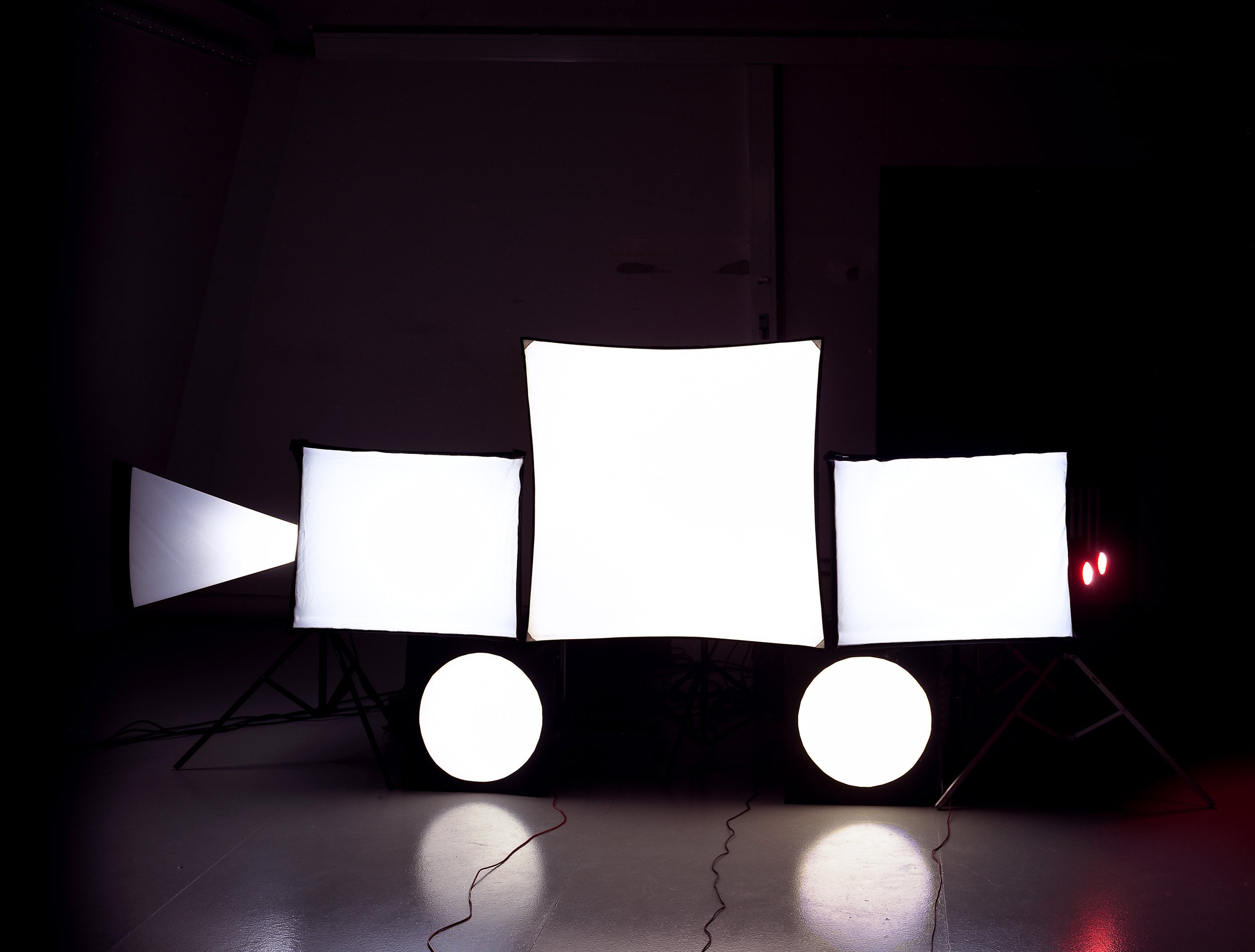
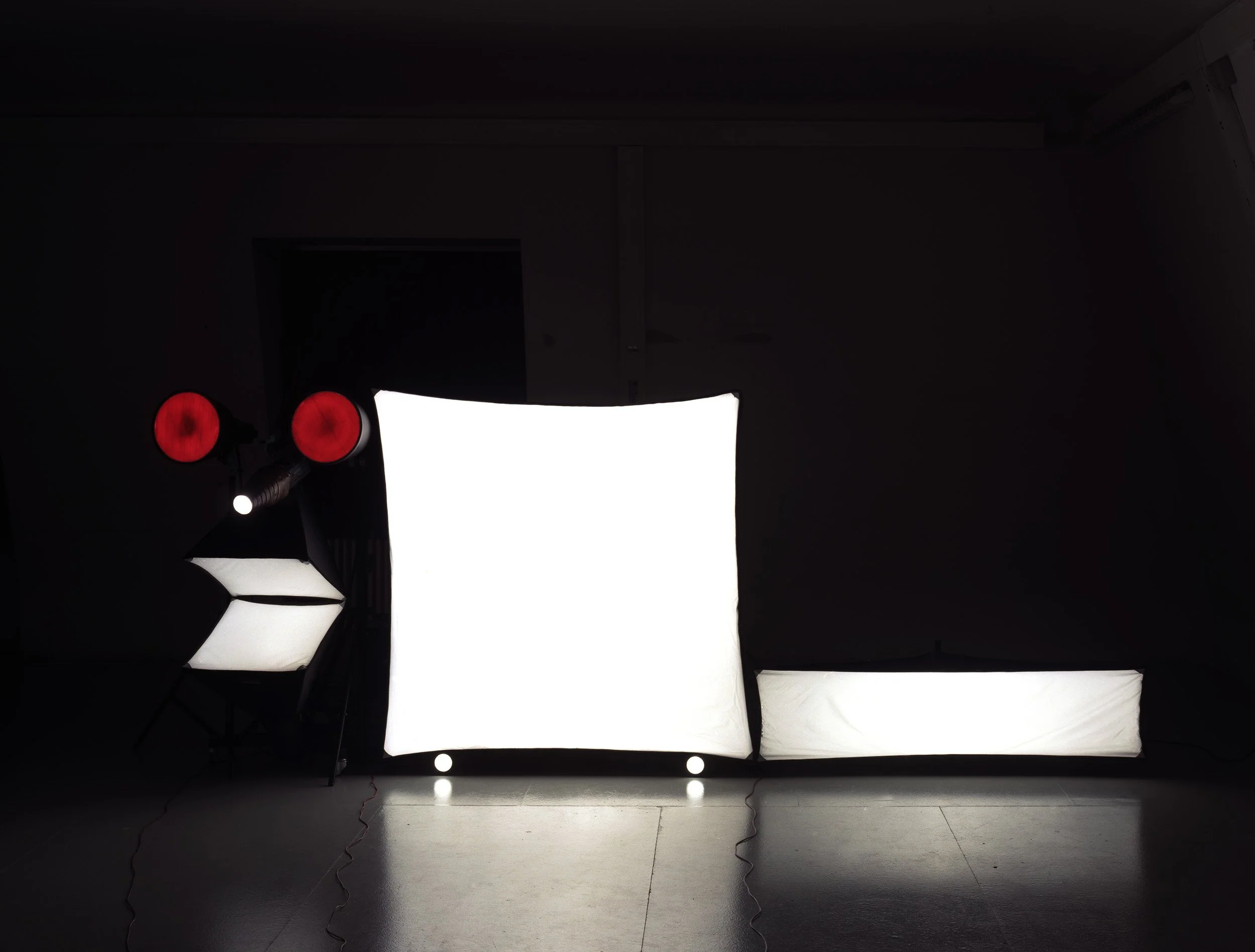
Lightning, 2005
Analogue large-format photography
Lightning marks the beginning of the collaboration and was created during the photography studies at the Zurich University of the Arts (ZHdK). Originally conceived as a studio exercise to explore photographic lighting, the equipment itself becomes the subject. Flash units, light modifiers, stands and umbrellas are arranged into a fantastical, four-legged creature. One sees a cow, the other a dog. They call it Bronco.
The work already brings together elements that would become central to the later practice: staging, play, intuition and a self-reflexive engagement with the photographic medium. The image emerges from a shared process in which the distinction between making the picture and taking the picture becomes secondary.
Real Fictions - Fictitious Realities, 2005
Analogue large format photography
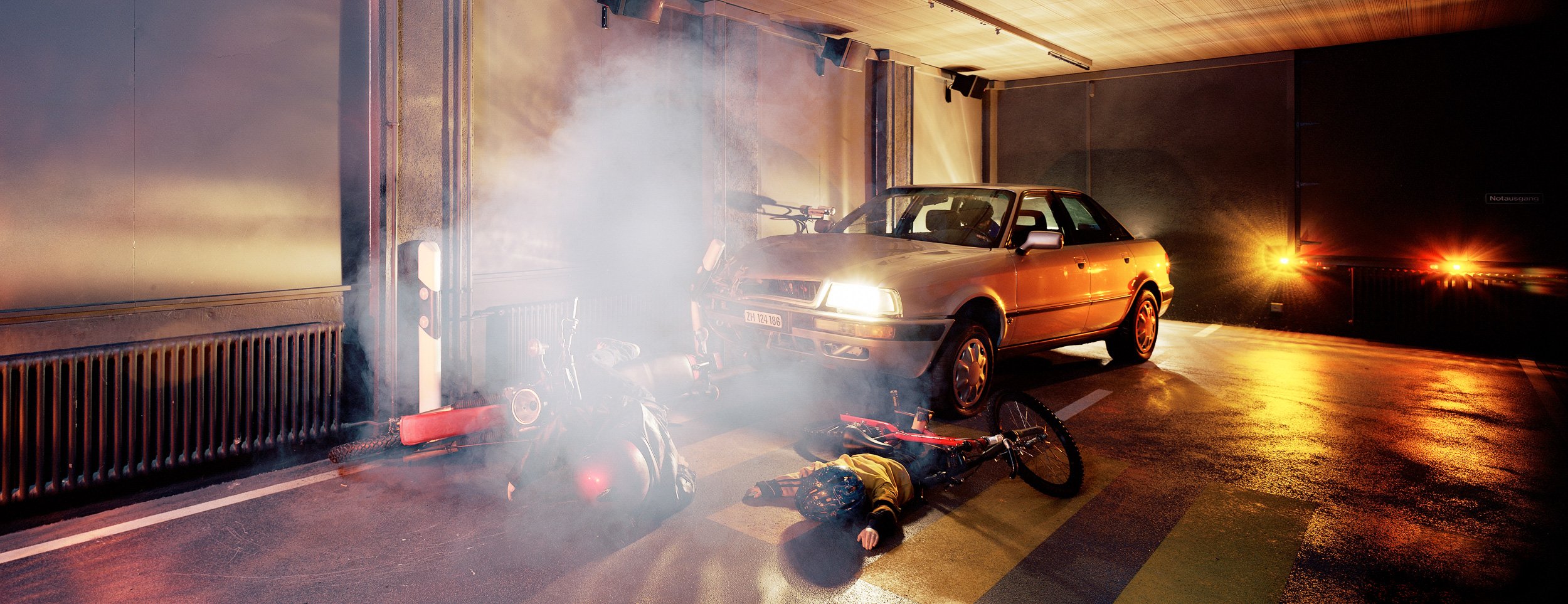
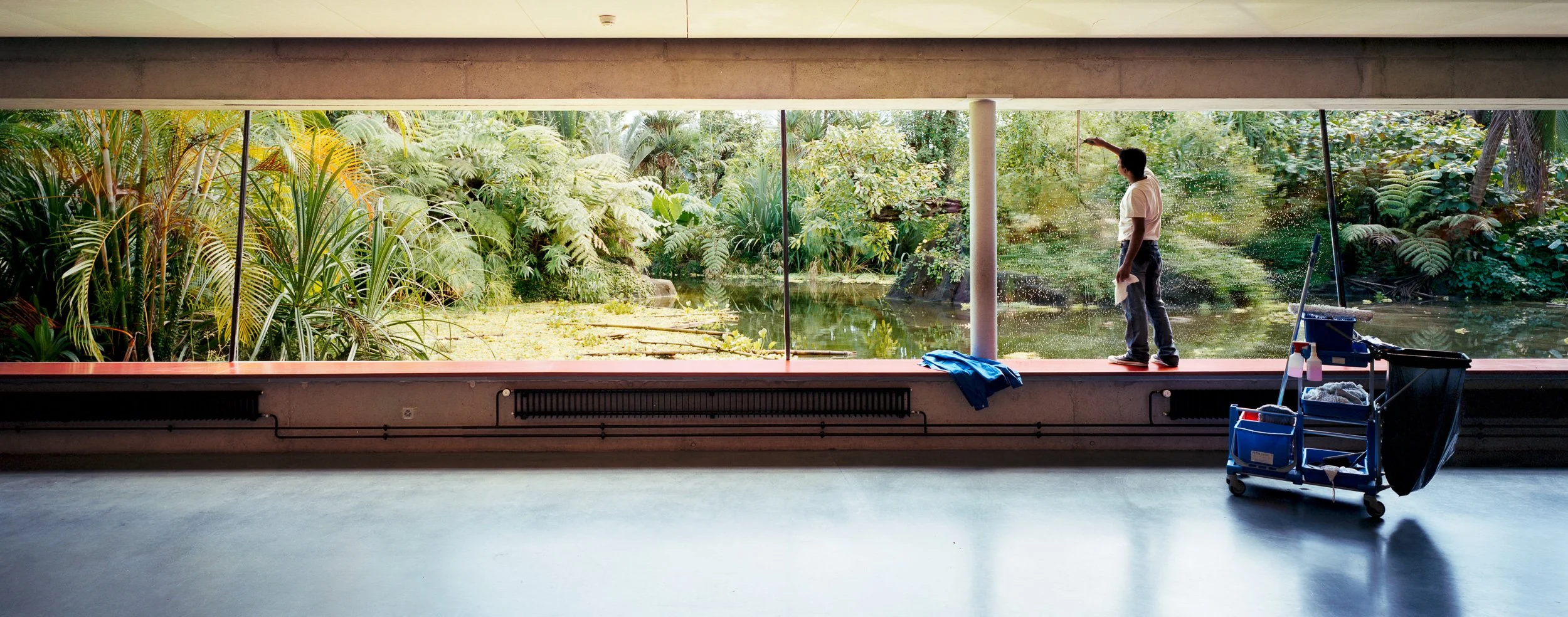
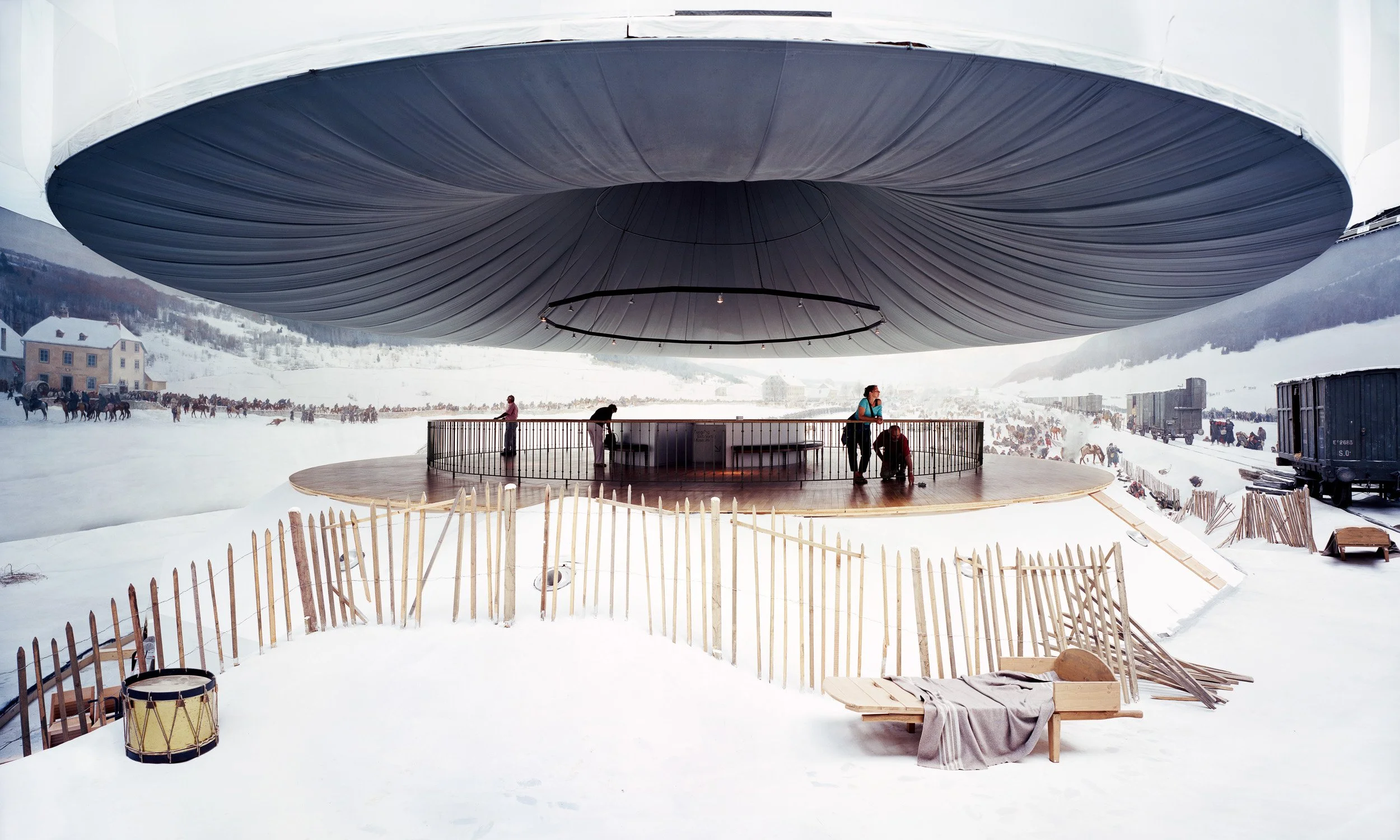
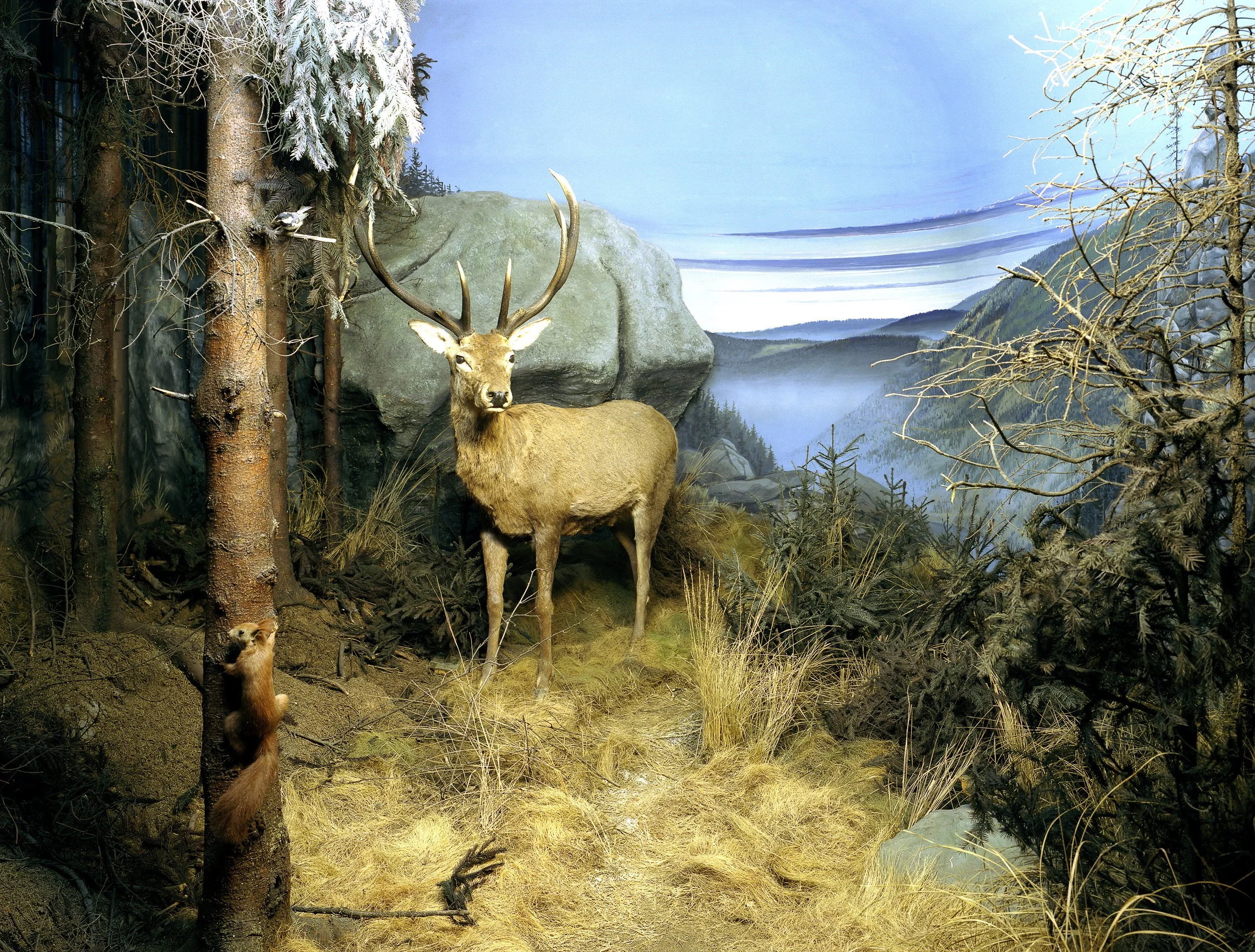
Real Fictions - Fictitious Realities explores spaces and experiences shaped by the culture and entertainment industry. Historical events, exotic landscapes, nature and spectacle are reconstructed and transformed into immersive environments that offer visitors an intensified version of reality. The photographs are carefully staged, with people performing specific actions within these constructed environments. Their gestures and interactions become part of the composition, directing the viewer’s attention and shaping the narrative of each image.
The work explores the tension between reality and fiction, participation and observation. The constructed scenes appear familiar and plausible, while the staging, the environments and the actions performed within them reveal the mechanisms behind these manufactured realities.
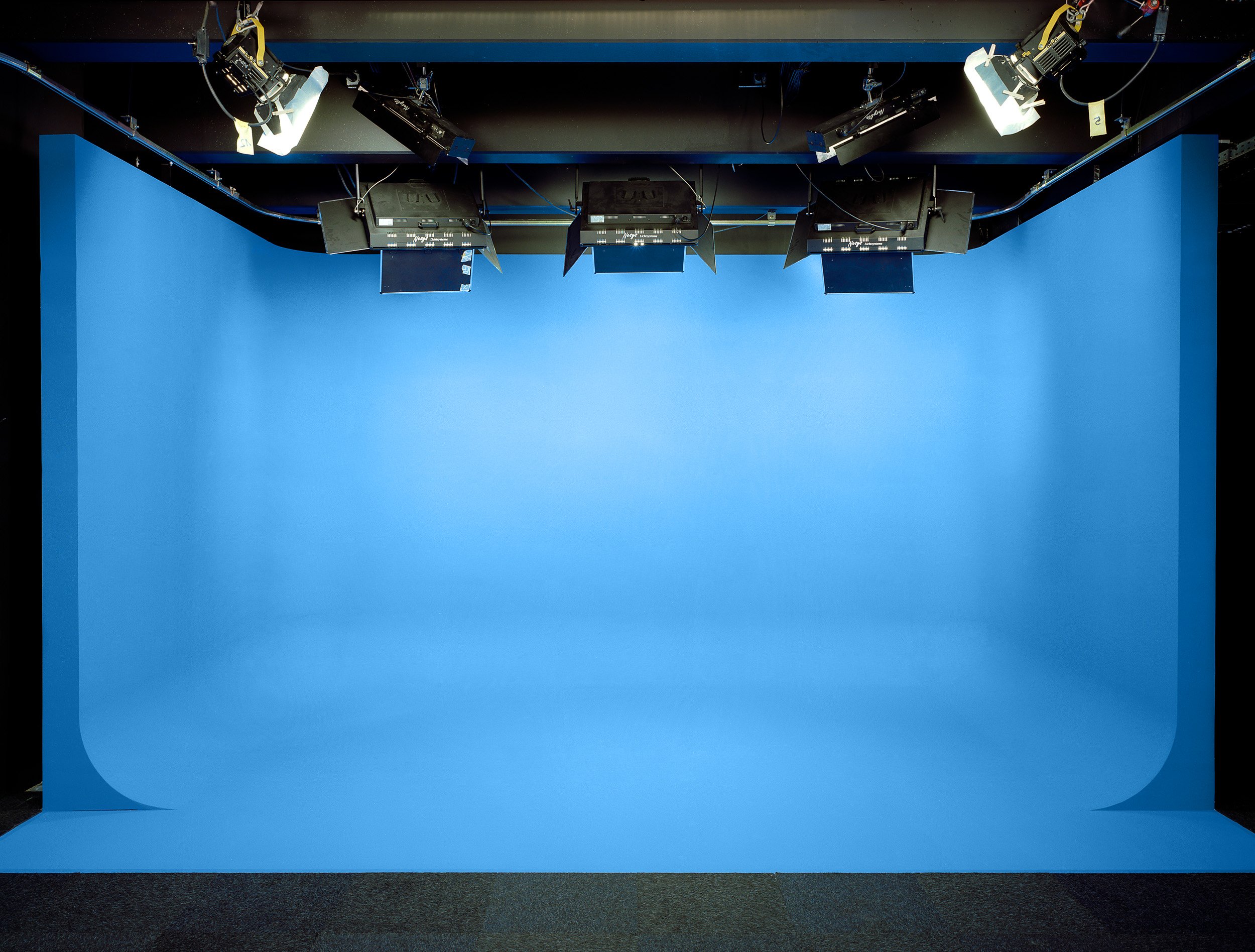
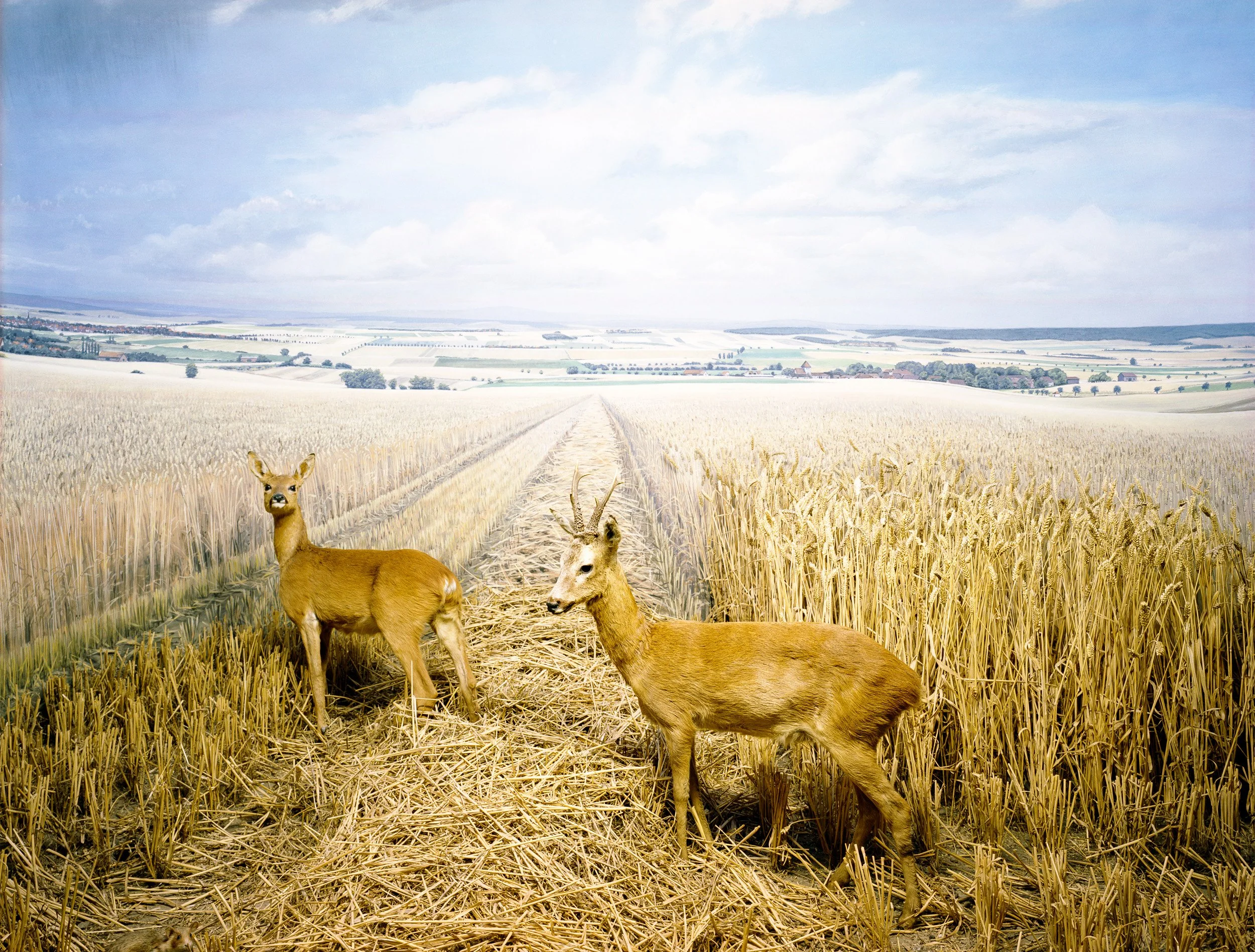
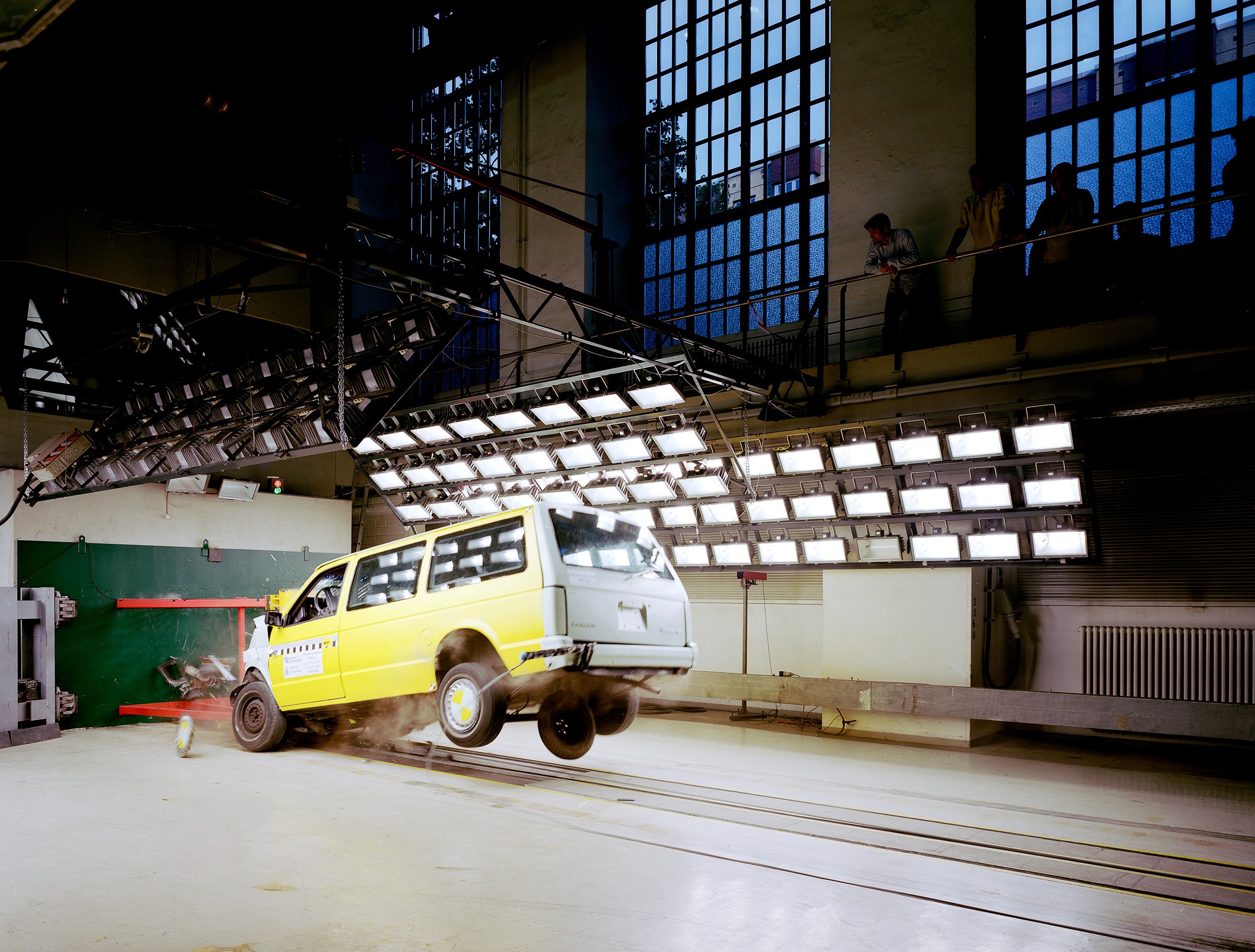
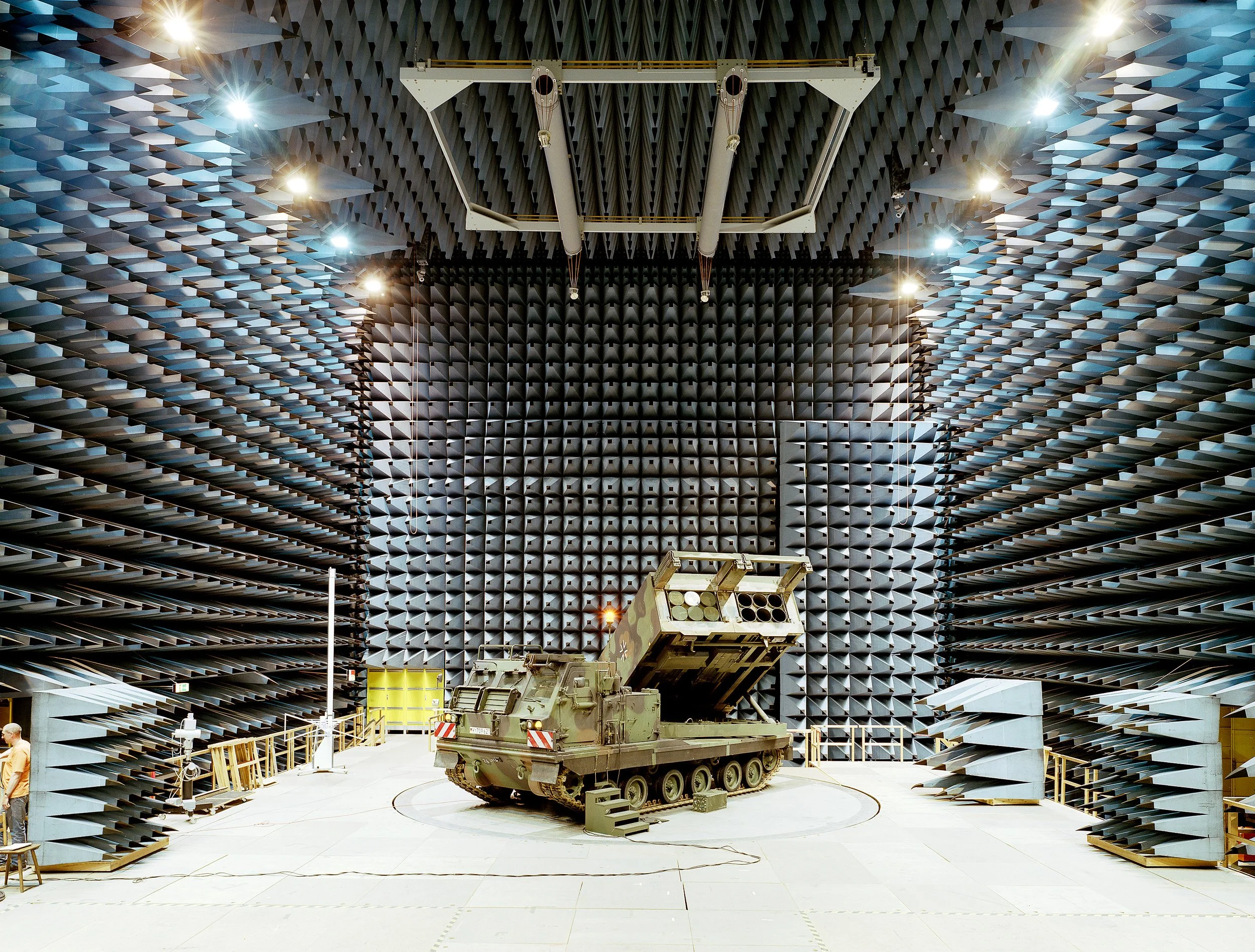
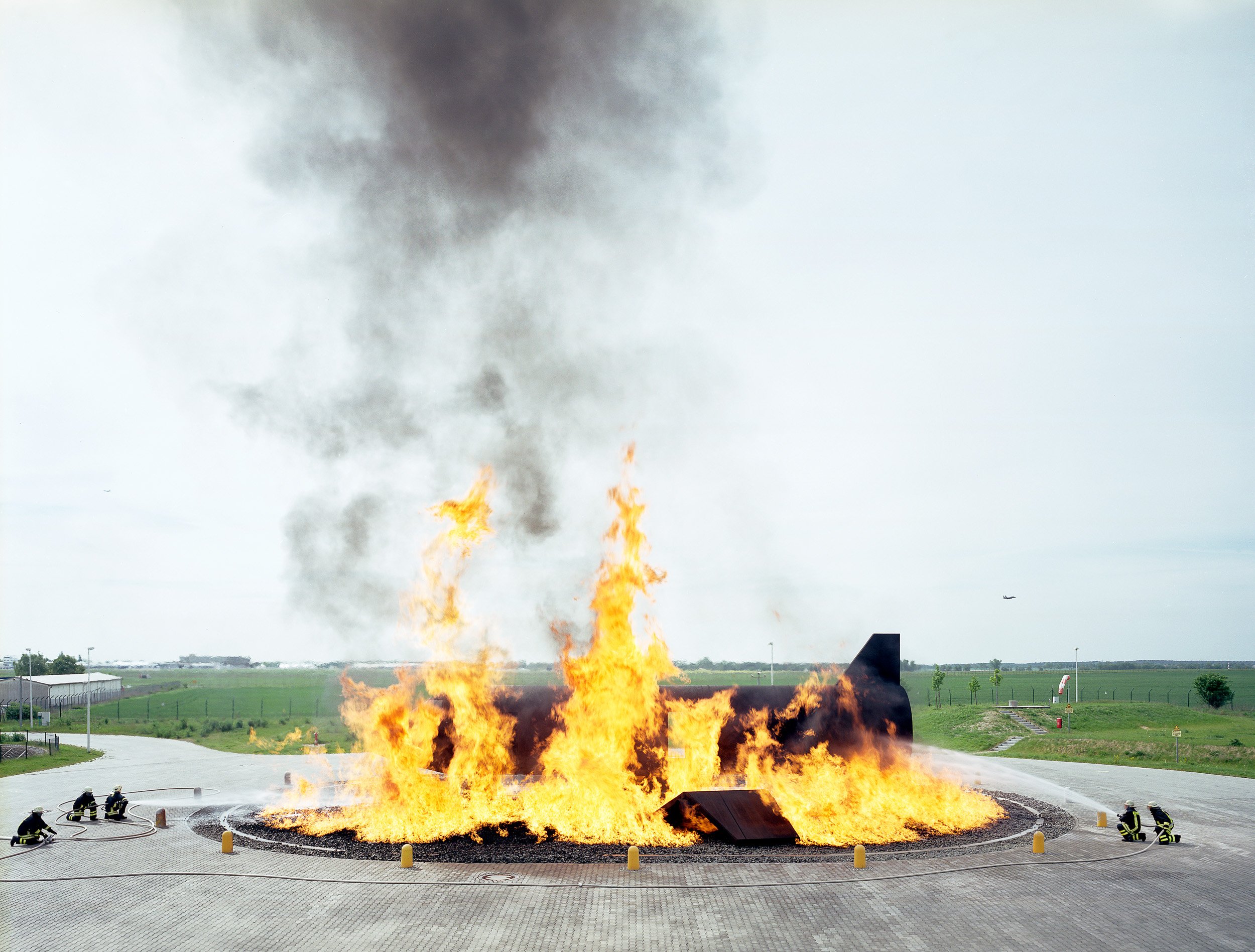
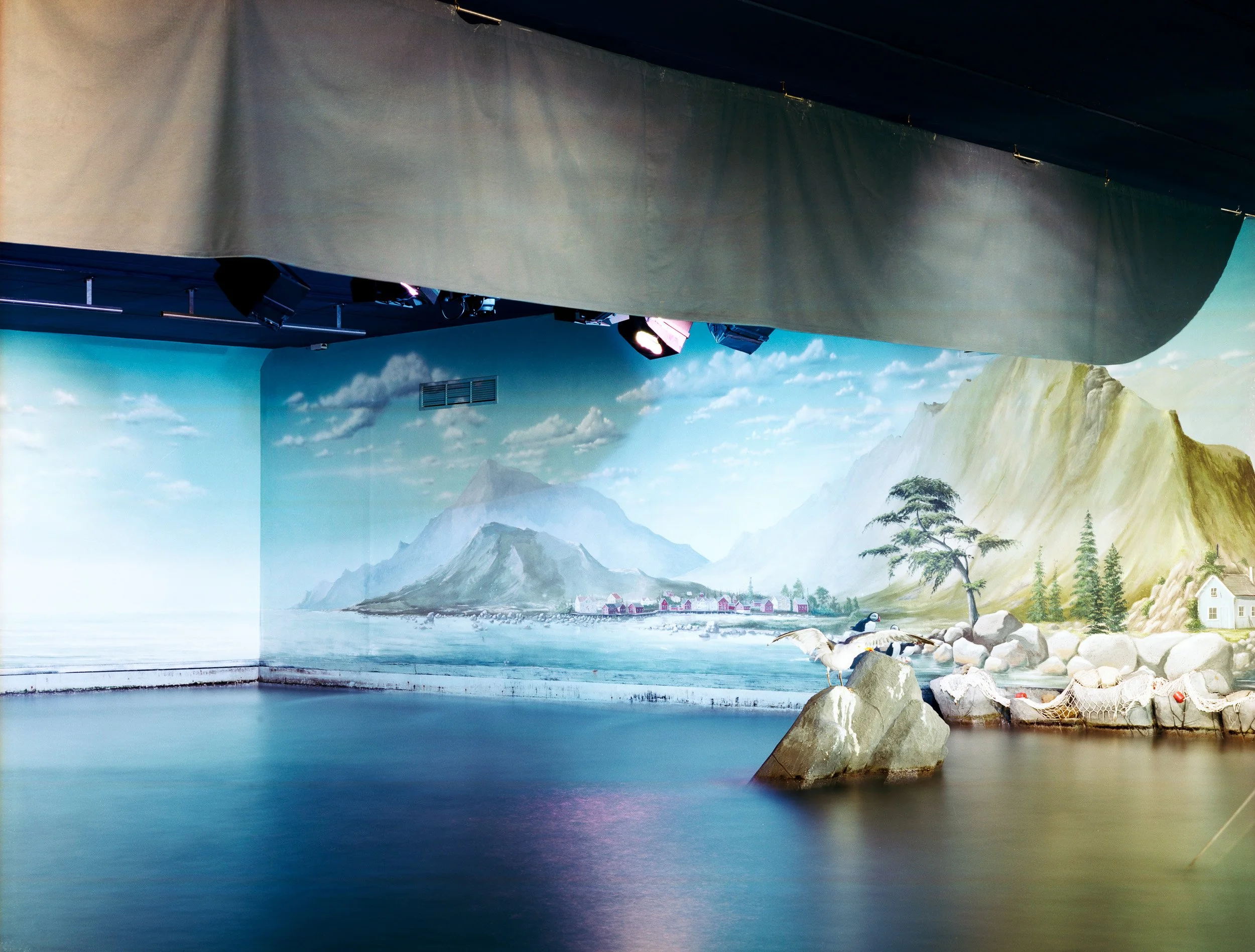
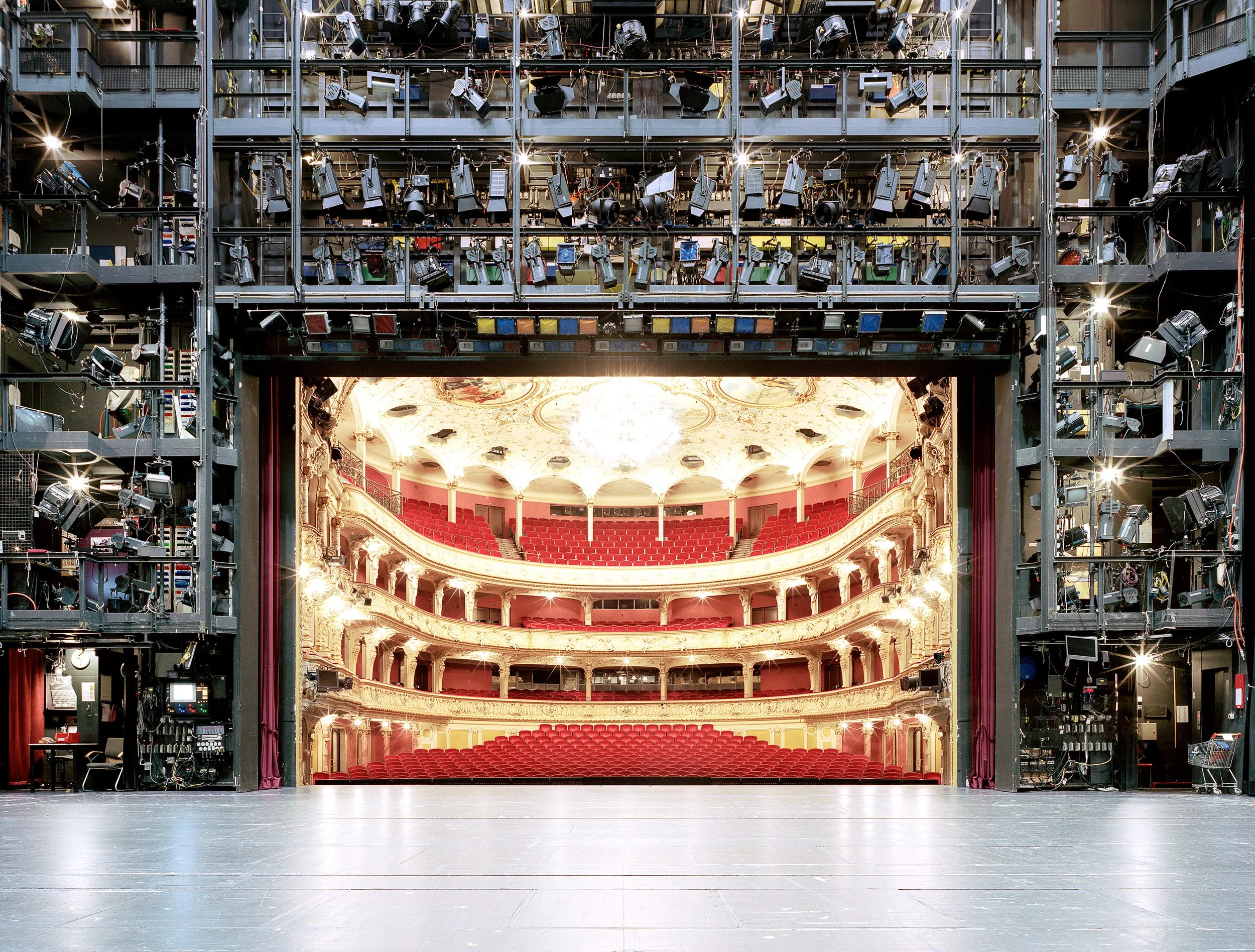
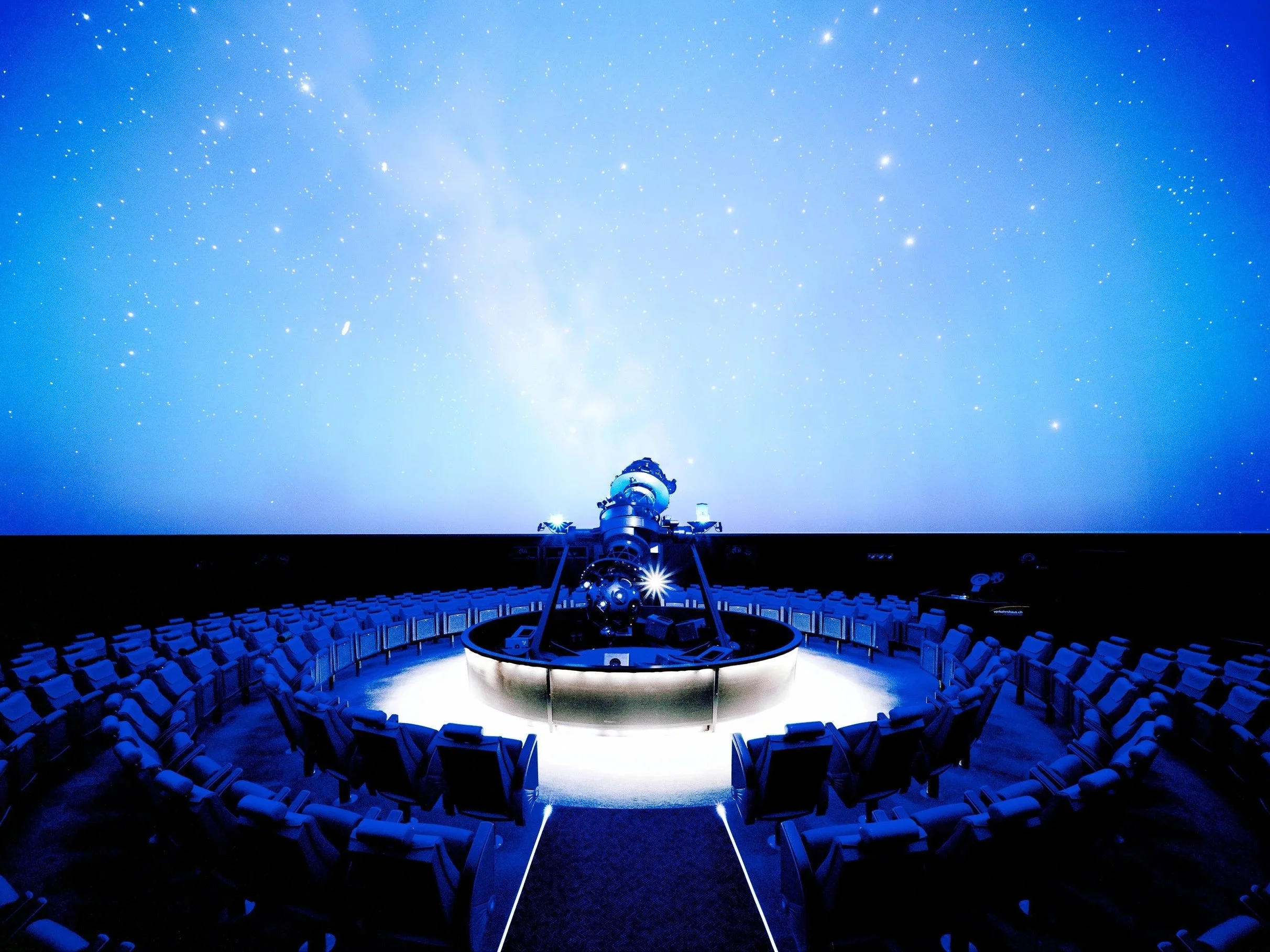
Places, 2006
Analogue large-format photography
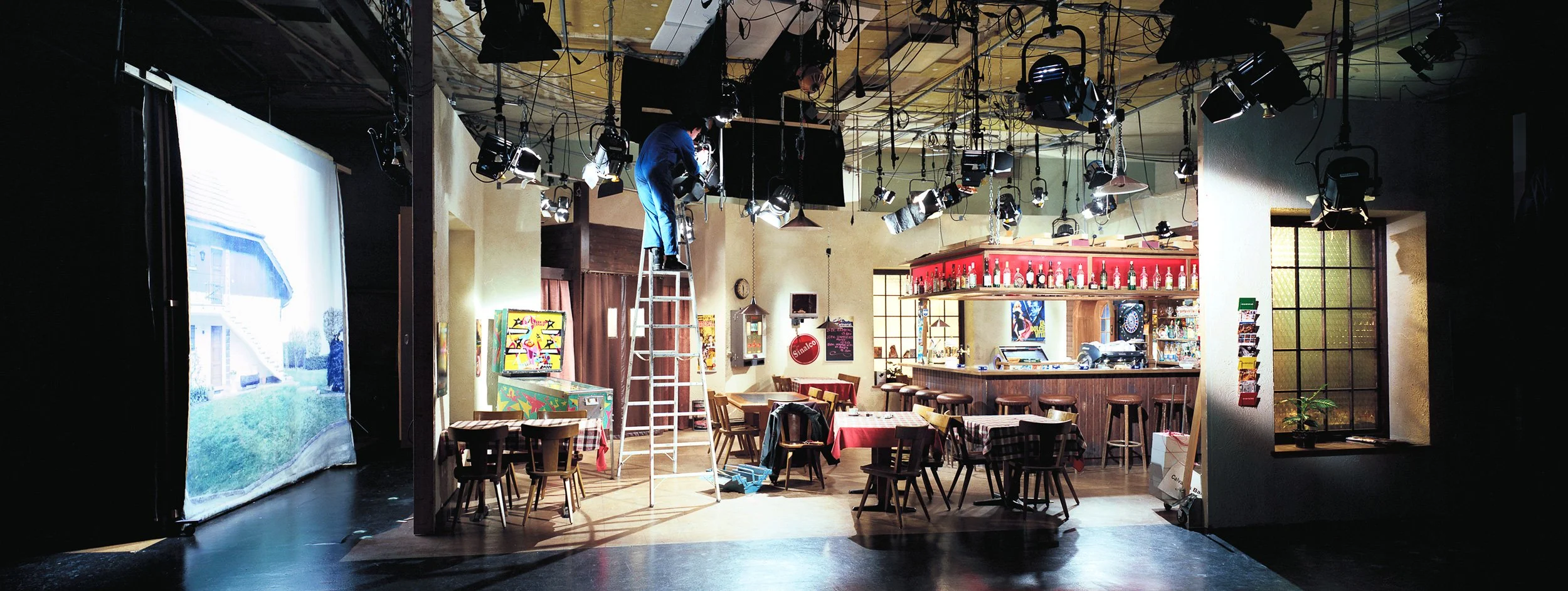
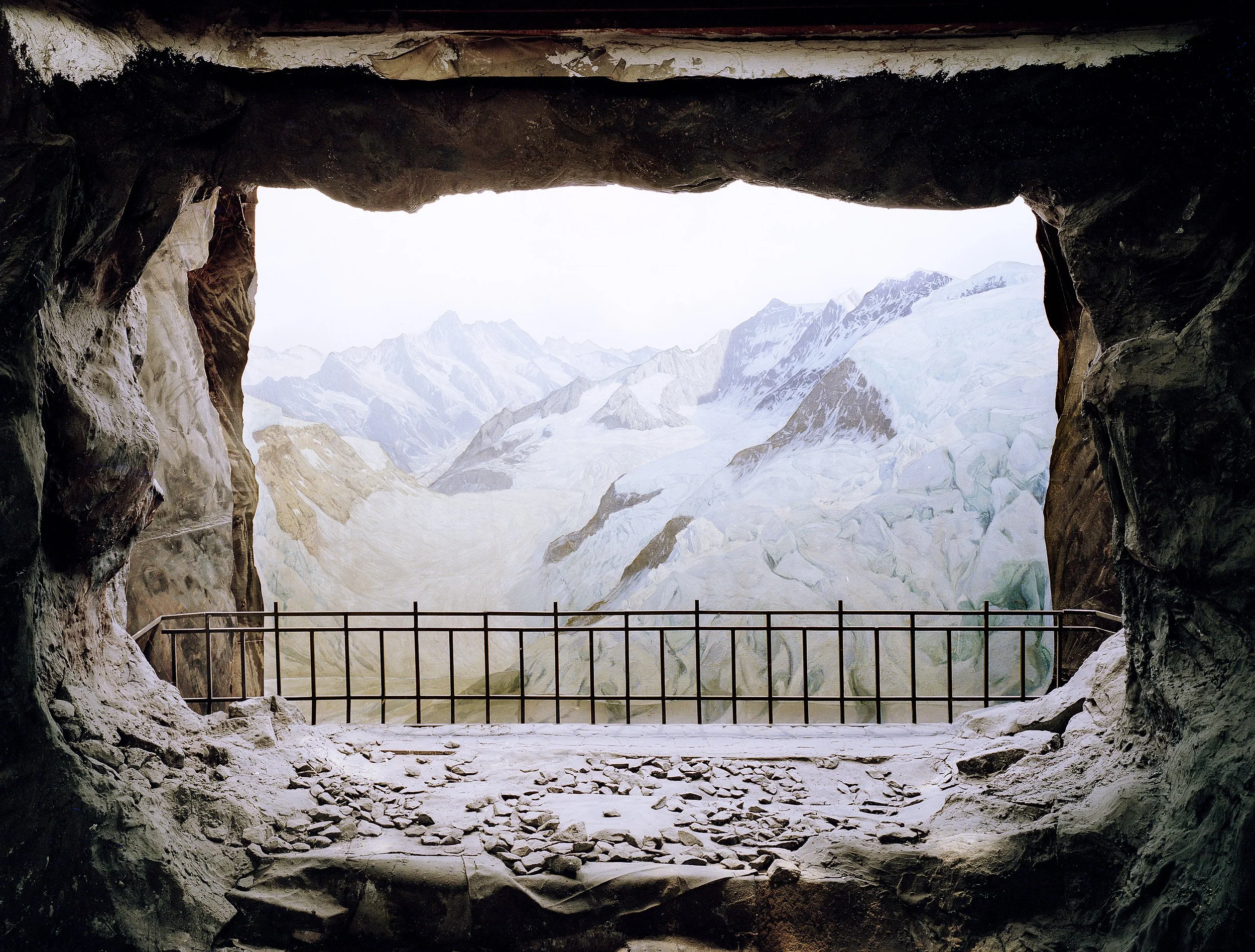
Places focuses on locations where reality is simulated, reconstructed or shaped for a specific purpose. The photographs show, among other sites, a crash-test facility, a television film studio and the backstage areas of an opera house. Approaching these places in a documentary manner, the series observes the structures, environments and traces of activity found within them. The photographs reveal spaces that are designed to represent something else: places where simulation and reality exist side by side.
The carefully chosen viewpoints draw attention to the peculiar visual qualities of these environments and to the gap between what a place is and what it is intended to represent.
Crates, since 2020
Model making, installation
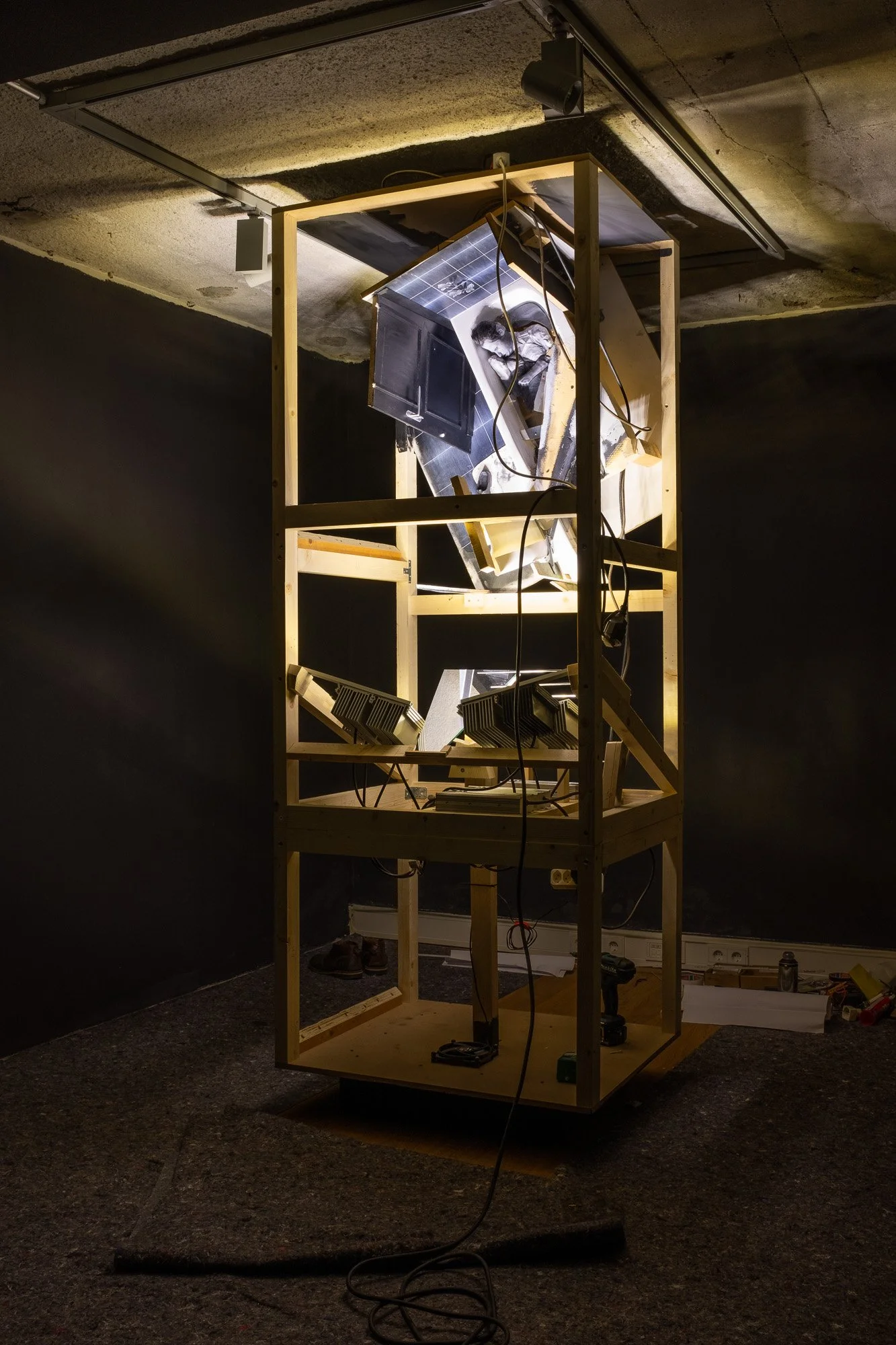
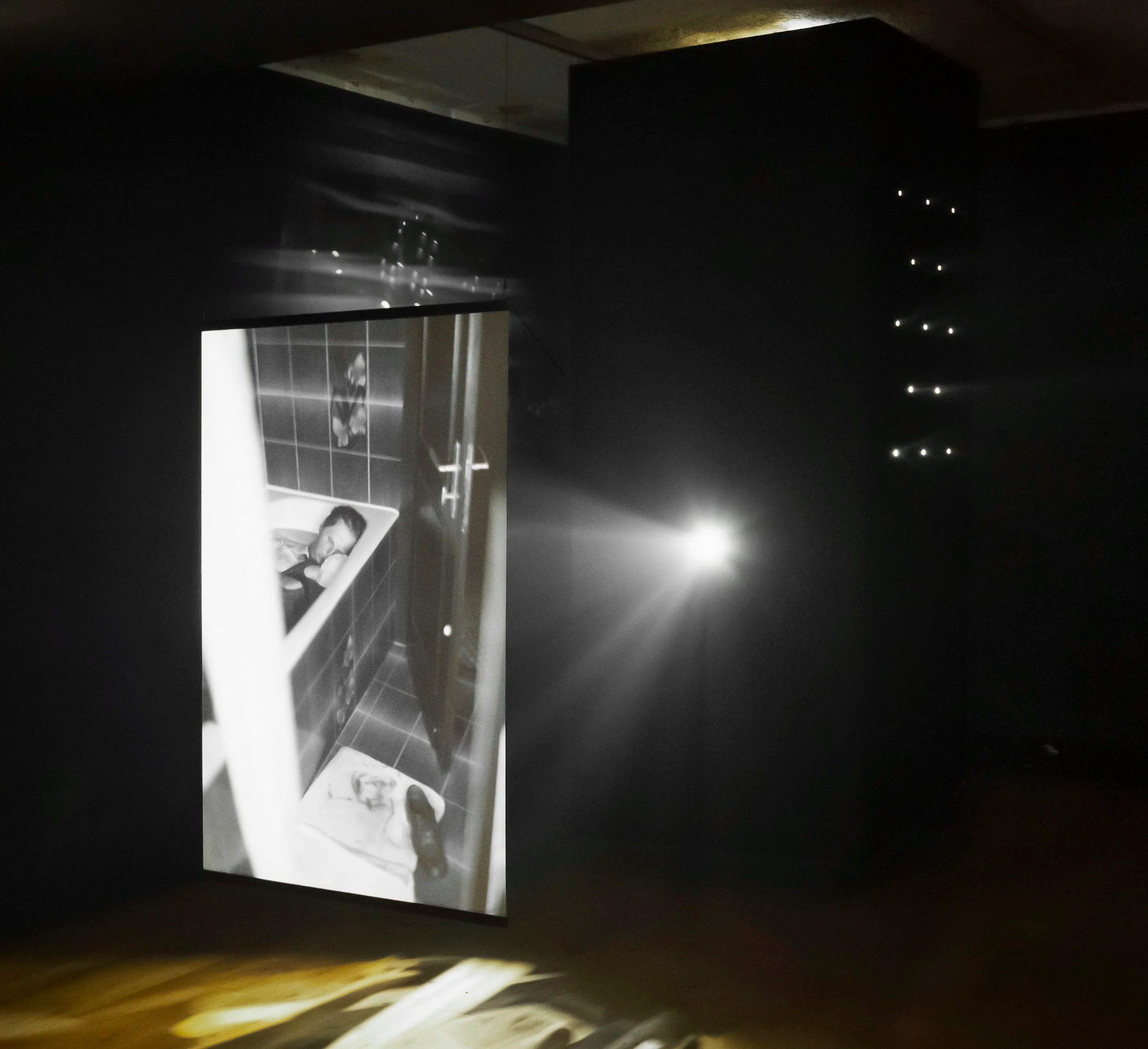
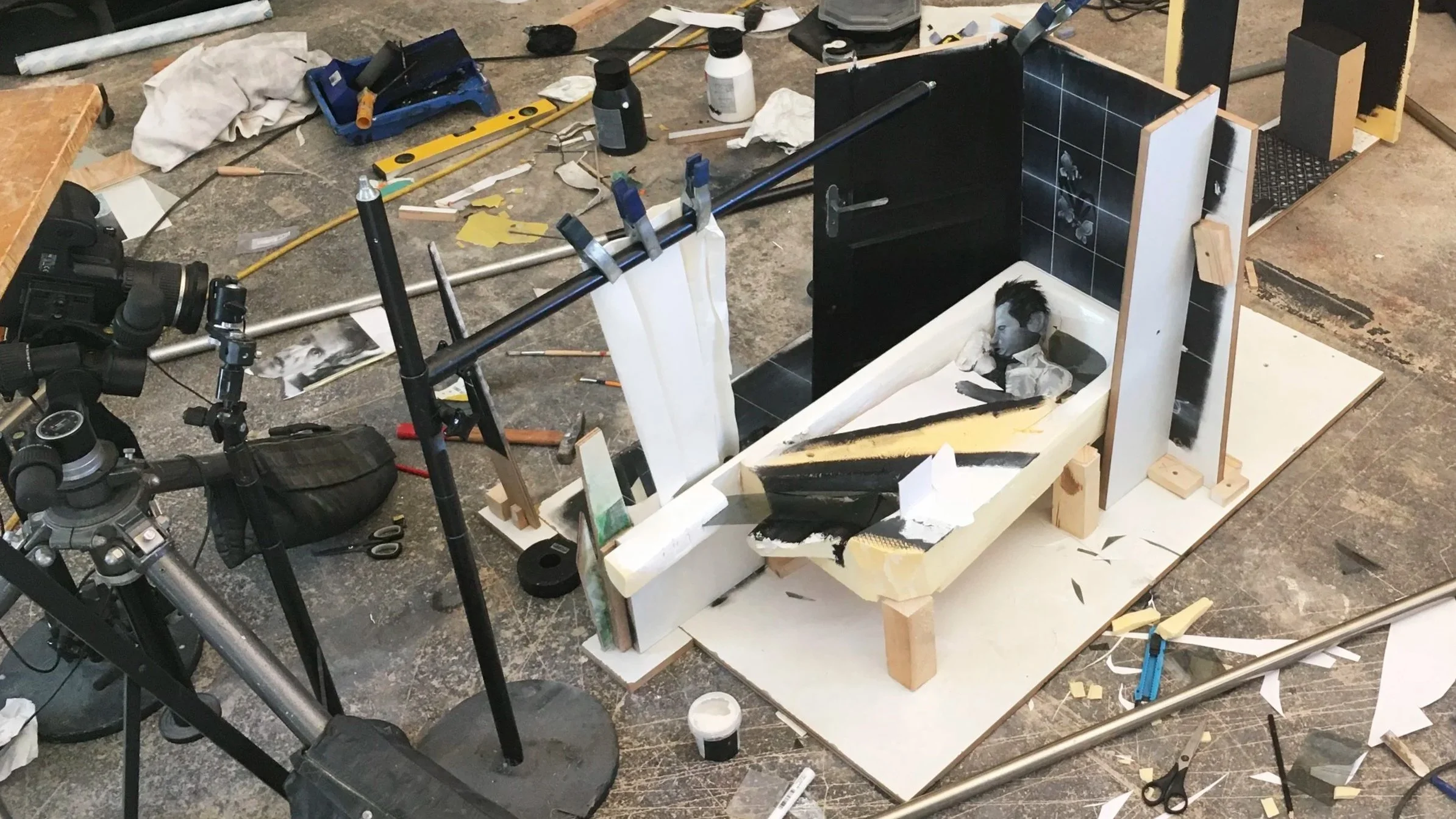
Crates continues the exploration of photographic icons through a contemporary reinterpretation of the Laterna Magica, the early form of the image projector.
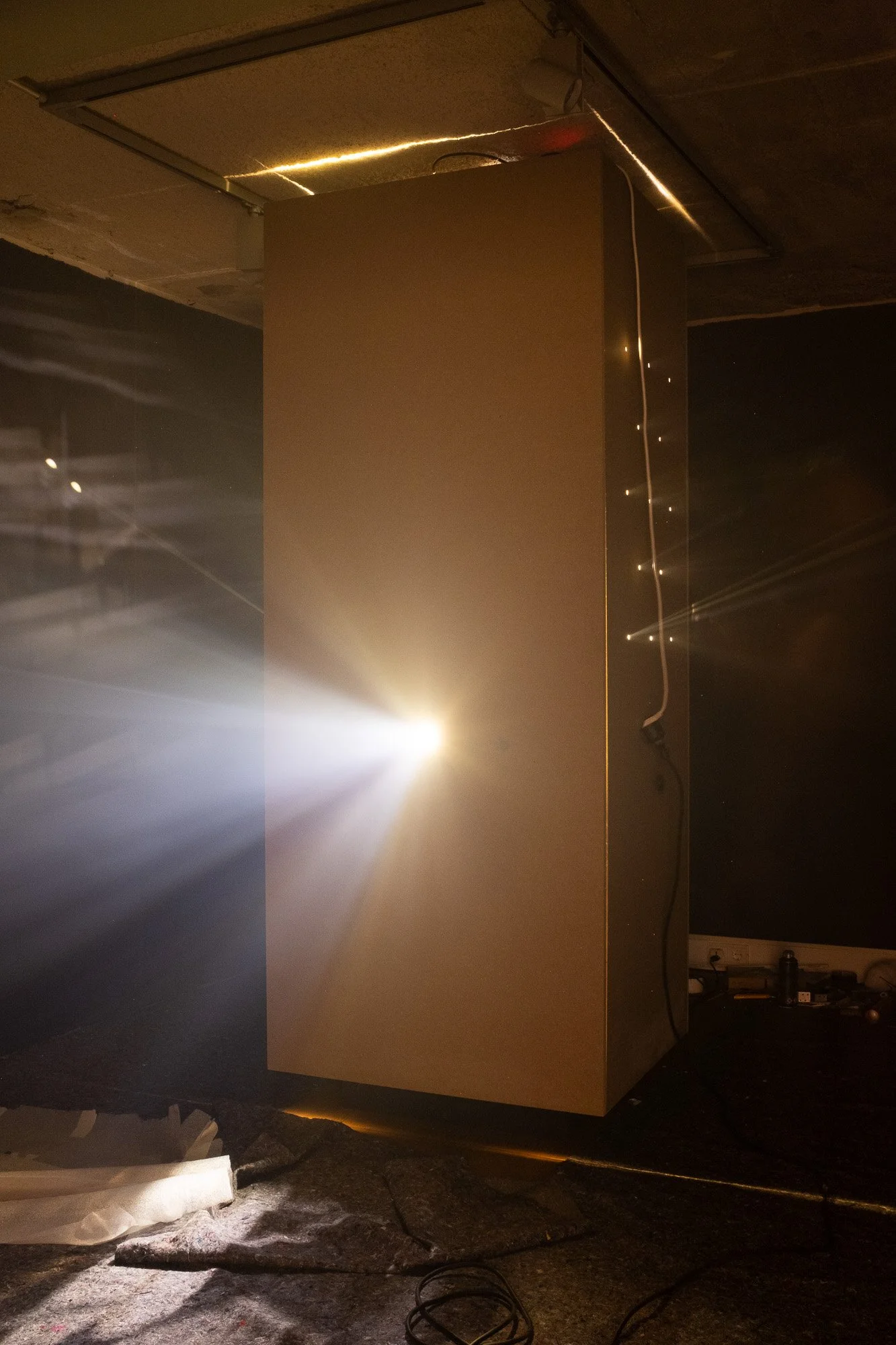
Hand-built models are placed inside light-tight wooden crates and illuminated from within. Through a lens, the models are projected as enlarged images into the surrounding space. The physical object and its photographic image exist simultaneously: one can glimpse the model through openings in the crate while seeing its carefully constructed image projected from a single viewpoint.
The work makes the process of image-making visible. The imperfect, unfinished appearance of the model contrasts with the seemingly complete projected image, revealing the construction behind the illusion. As with photography itself, the image depends on a specific viewpoint. Change the perspective, and the illusion falls apart.
At the same time, the work draws a direct connection to digital photography: the image exists only as long as the light is on.
Making of Great Masters, 2022/23
Model making, scenography, photography
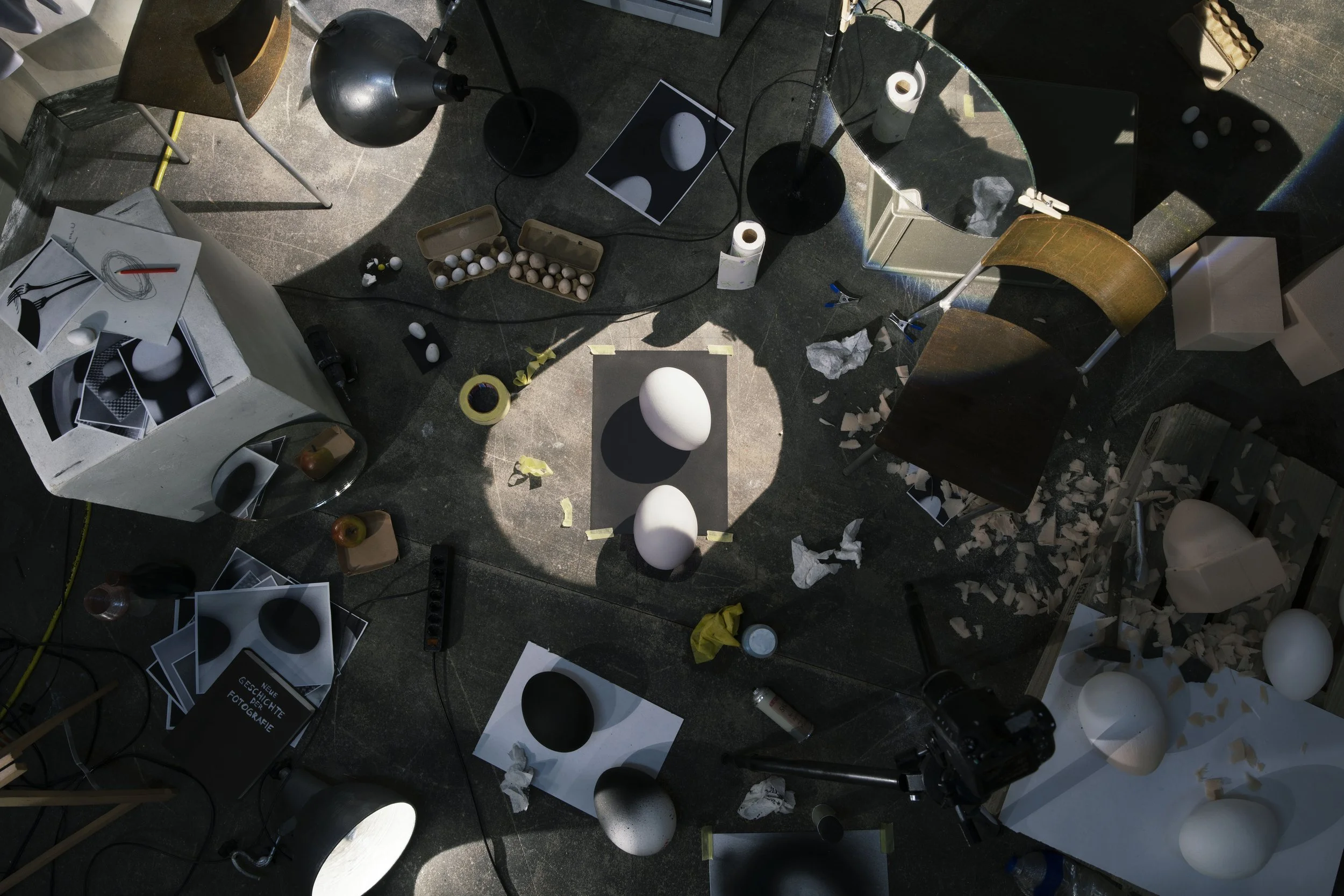
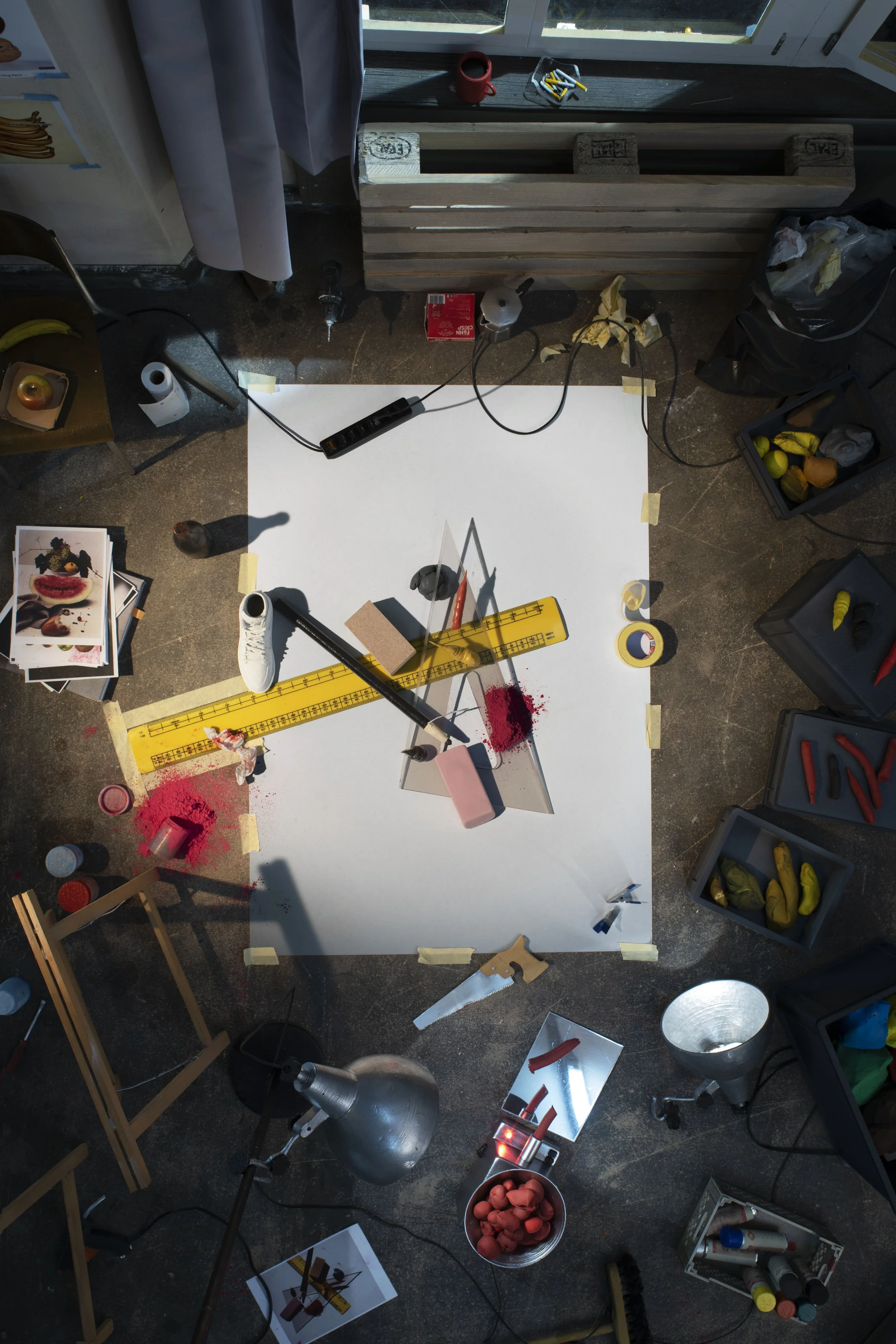
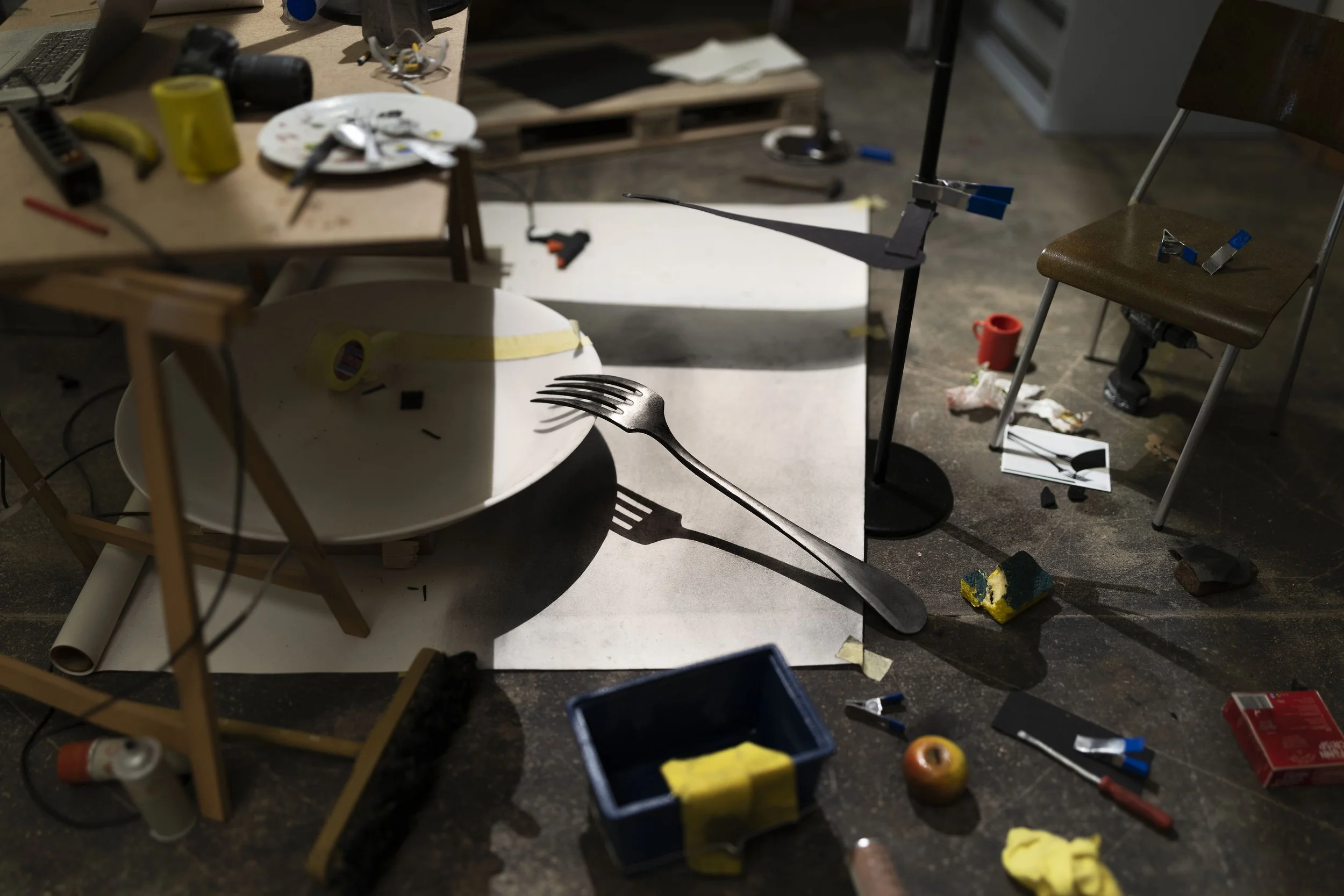
Great Masters explores iconic still lifes from the history of photography through meticulously constructed miniature environments. The surroundings, furniture and props are recreated in scale, while the objects depicted in the original photographs remain real and life-sized.
A miniature studio becomes the stage for these reconstructions. In the case of Irving Penn’s still lifes, an actual egg, fork or pieces of stationery are placed within the reduced environment. Their original scale creates an unexpected shift in proportion and makes the relationship between object, model and image difficult to decipher.
The resulting photographs play with scale, authenticity and perception. What appears to be a coherent still life is in fact a combination of a reduced, constructed world and real objects. The photograph ultimately becomes the place where these different realities meet.
Making of The Last Supper, 2023
Model making, scenography, photography
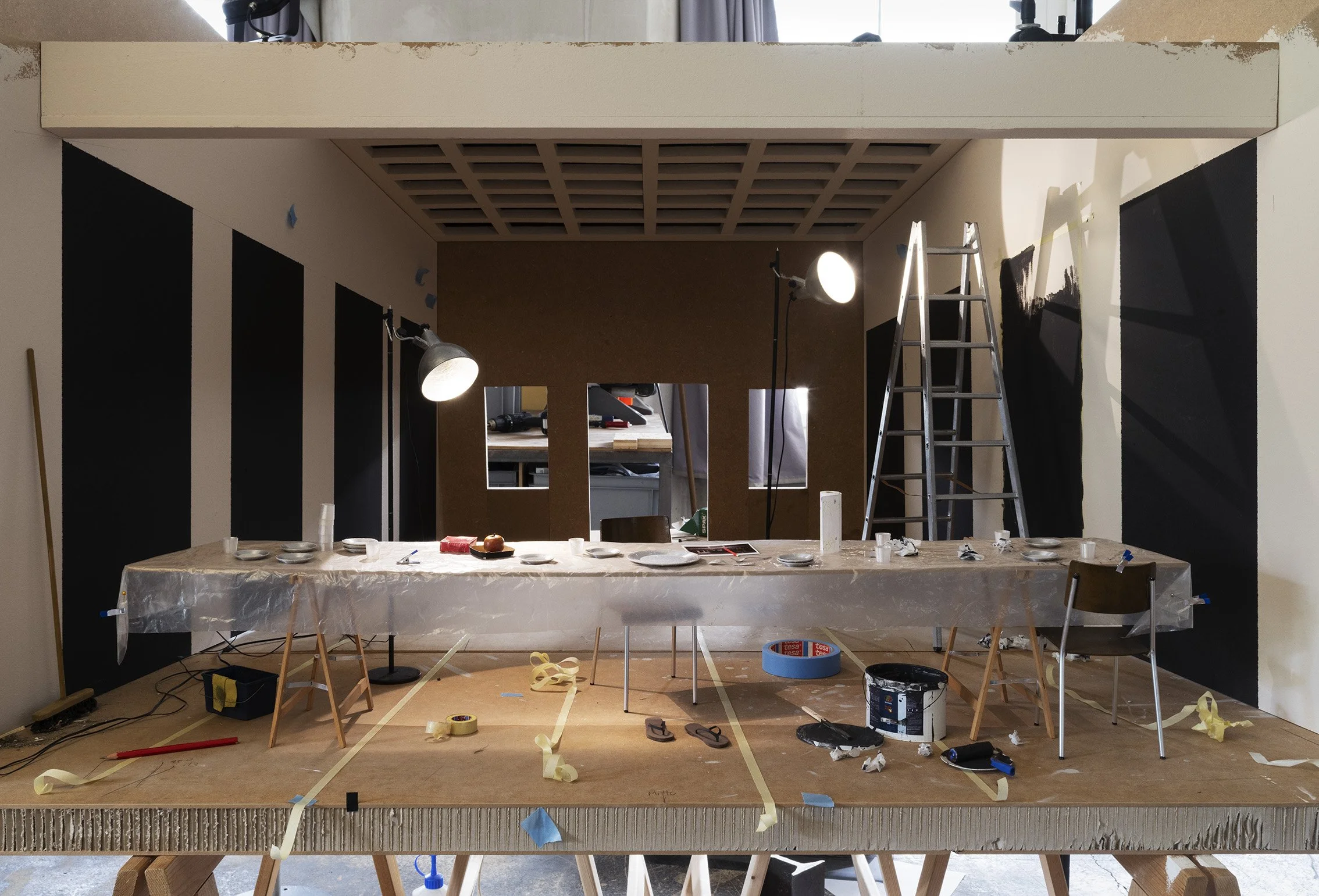
Making of The Last Supper reconstructs Leonardo da Vinci’s famous mural as a scene still under construction. The room appears unfinished: a wall has yet to be painted, the table is covered with protective sheeting, and tools and building materials remain scattered around the space.
At first glance, the photograph appears to document the making of a monumental historical scene. On closer inspection, details such as an oversized pencil, strips of tape or the view through the model’s rear window reveal the constructed nature of the image. The studio, the model and the photographic image merge into a surreal space between reality and representation.
The work plays with the status of Leonardo’s original image itself. The architectural space depicted in The Last Supper is not a documented historical location but a pictorial construction. By reconstructing this fictional space as a physical model and photographing it as if documenting its production, the work creates another layer of representation and questions the relationship between image, reality and photographic evidence.
Good Waste, 2025
Large-format photography, stop-motion video
People living in Switzerland produce around 720 kg of waste per year. Despite being among the world’s leading recyclers, Switzerland remains one of the countries with the highest levels of waste production.
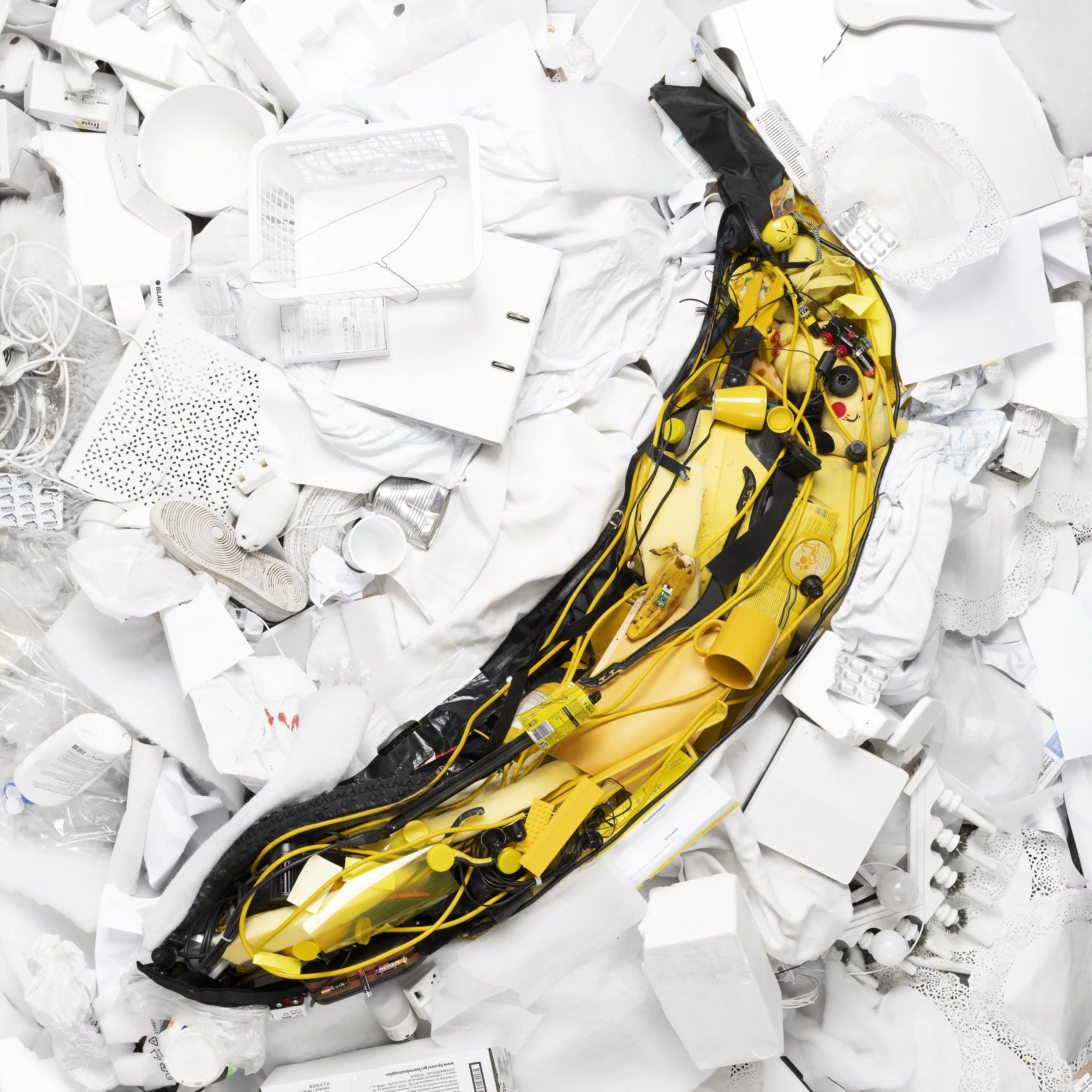
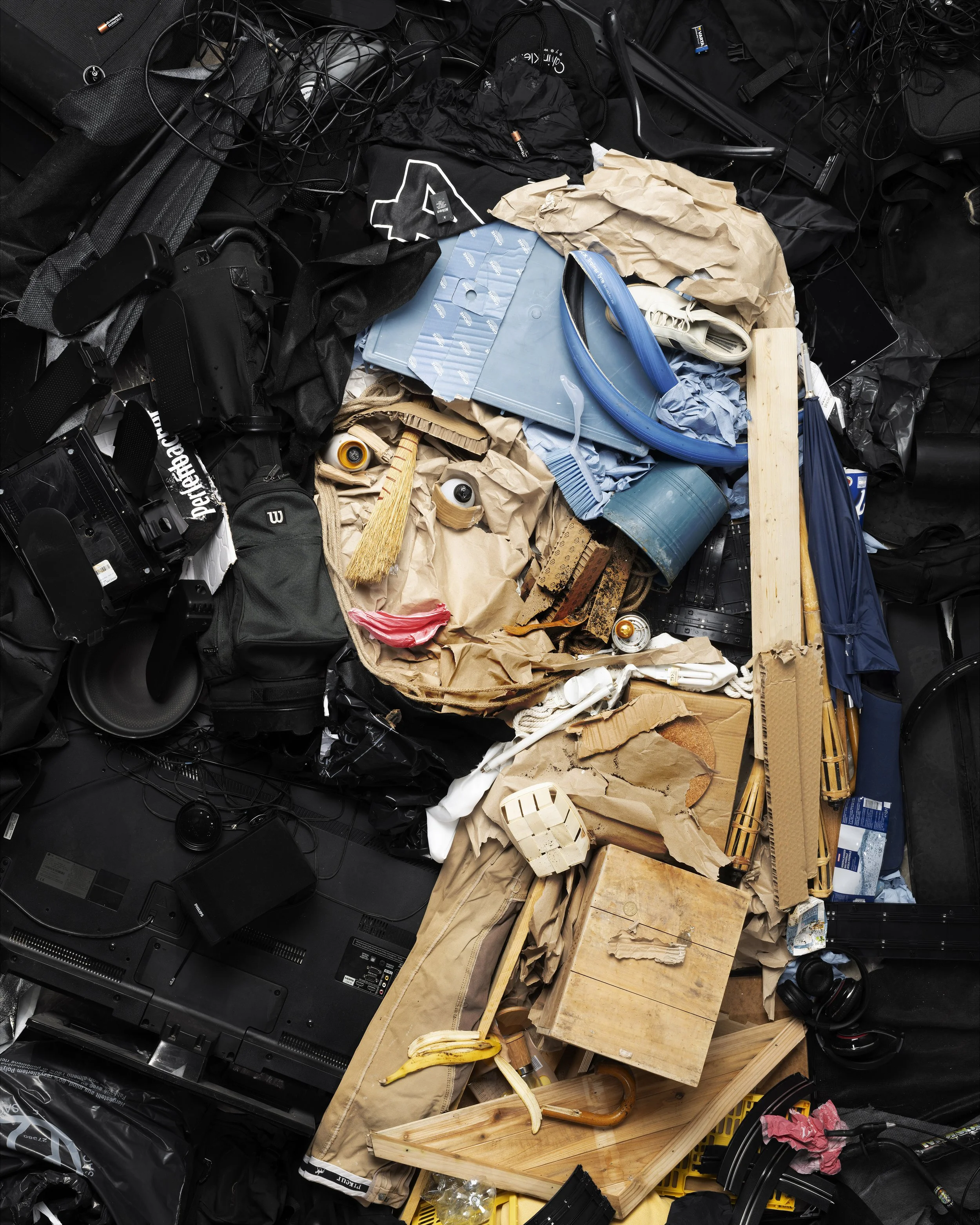
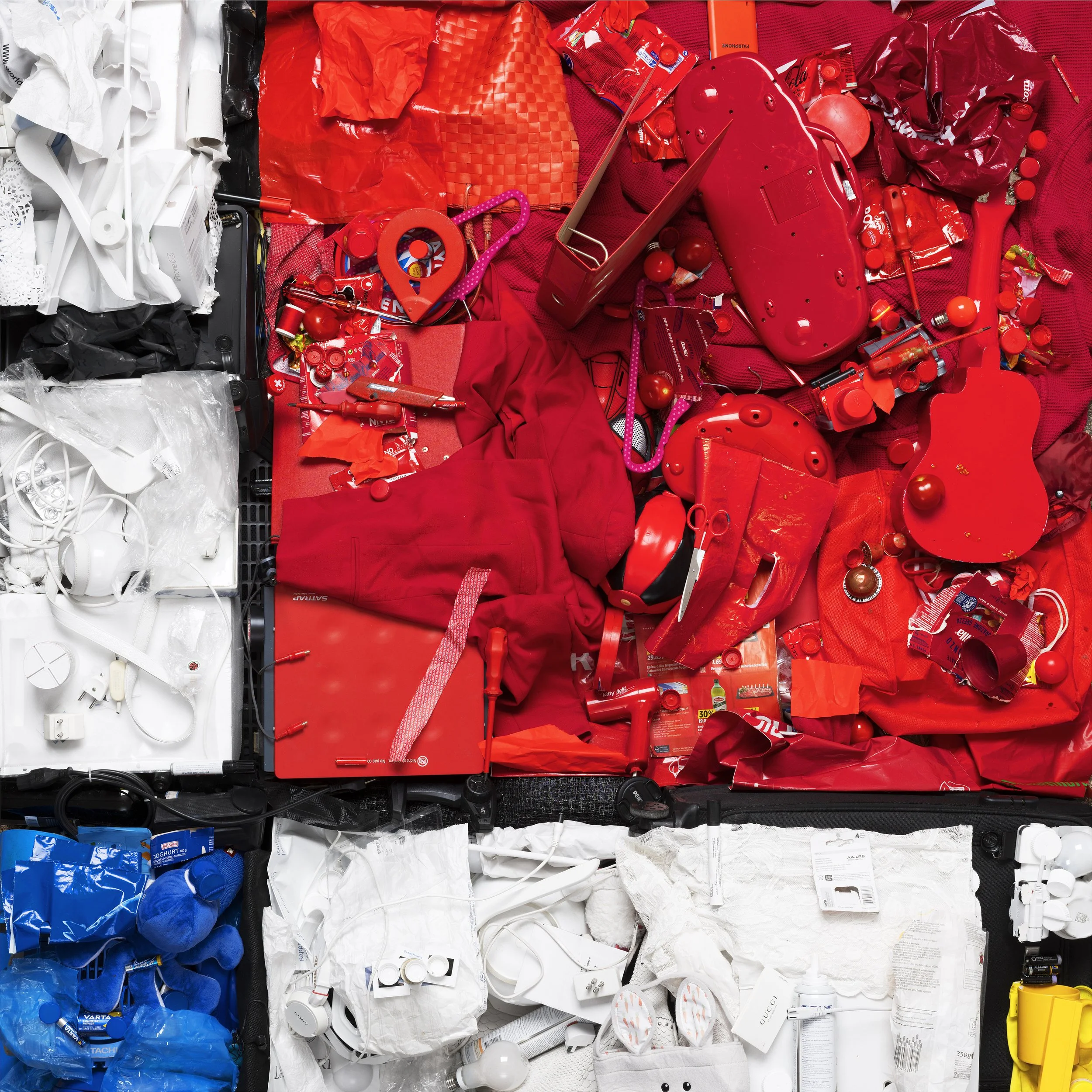
Good Waste explores waste as a resource and reflects on the relationship between consumption, value and excess. The project recreates iconic paintings from art history using discarded consumer goods. Coffee machines, shoes, banana peels and other everyday objects are arranged by color on the floor, gradually forming compositions that recall their original paintings.
Photographed from a fixed viewpoint, the three-dimensional arrangements are transformed back into two-dimensional images. What initially appears as a familiar painting reveals itself as something else: a carefully ordered accumulation of waste.