
Joan Fontcuberta (born 1955, Barcelona) is a Spanish artist, photographer, and theorist known for exploring the boundaries between truth and fiction in visual culture. His work often challenges the authority of photography as a documentary medium, creating playful yet critical projects that blend reality with invention. Fontcuberta has produced series involving fabricated scientific archives, fictional natural histories, and staged media hoaxes, all aimed at questioning how images shape knowledge and belief. Alongside his artistic practice, he is also a writer, curator, and educator, contributing significantly to debates on photography, media, and contemporary art.
Studio
BY Joan Foncuberta
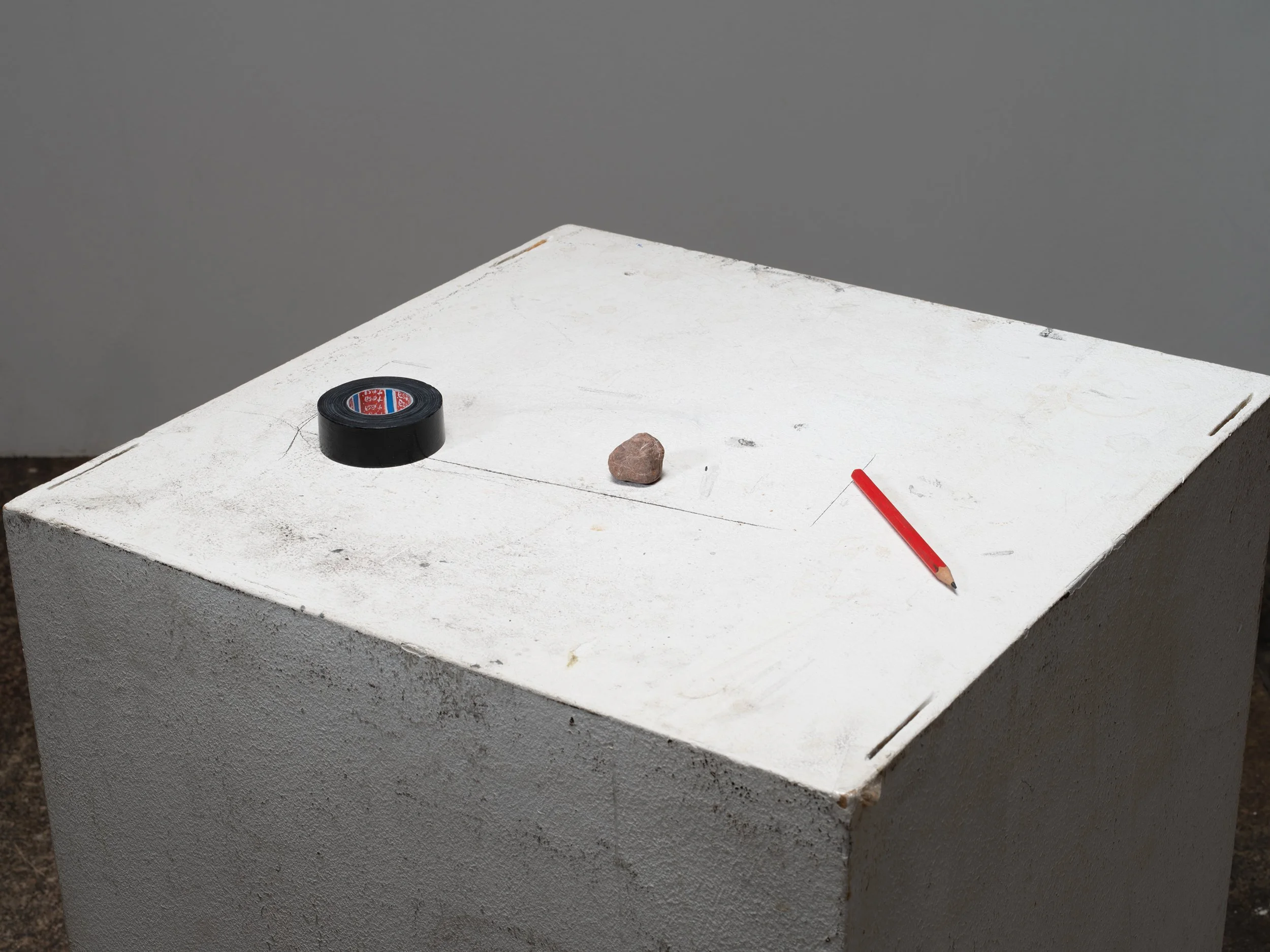
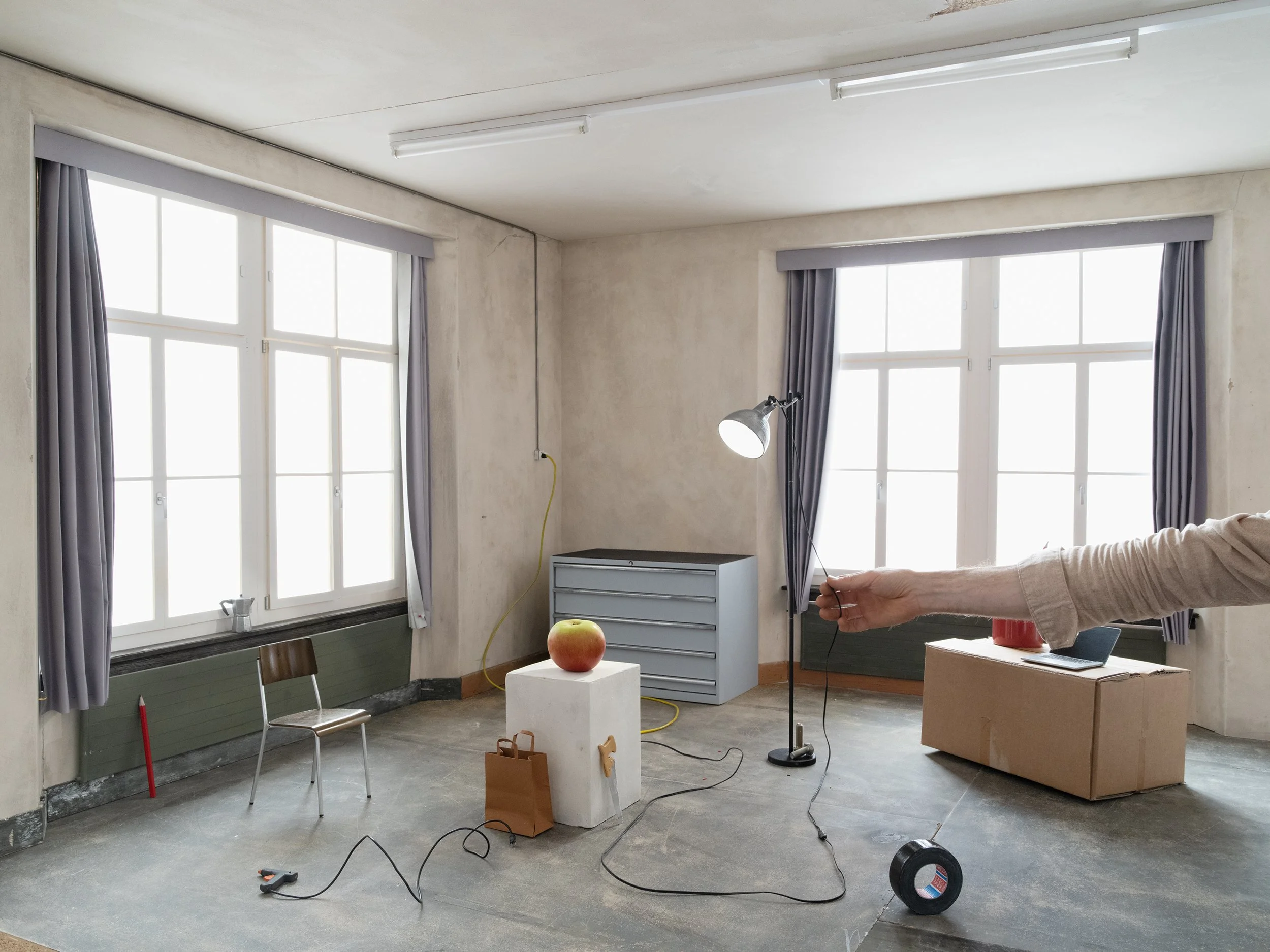
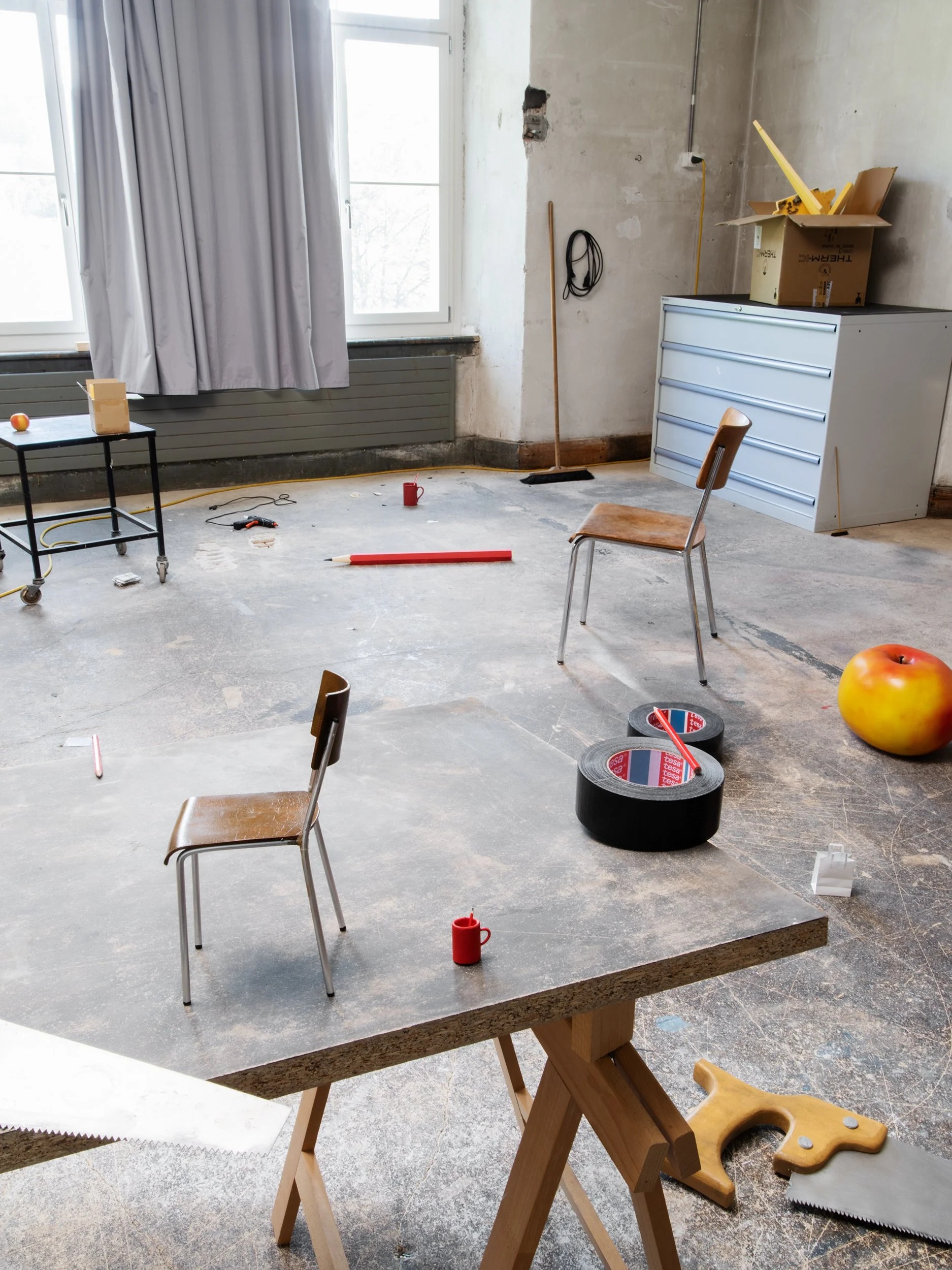
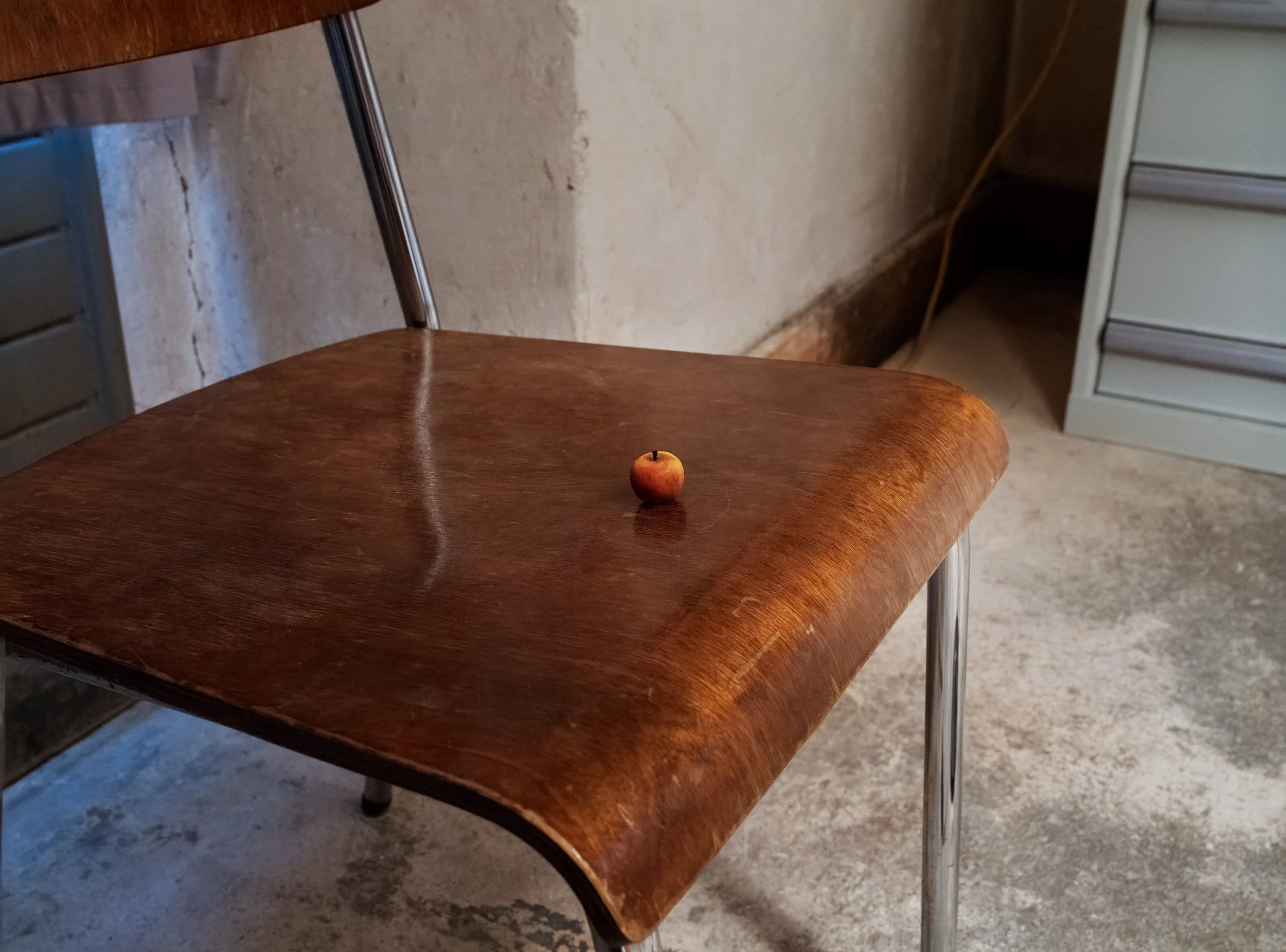
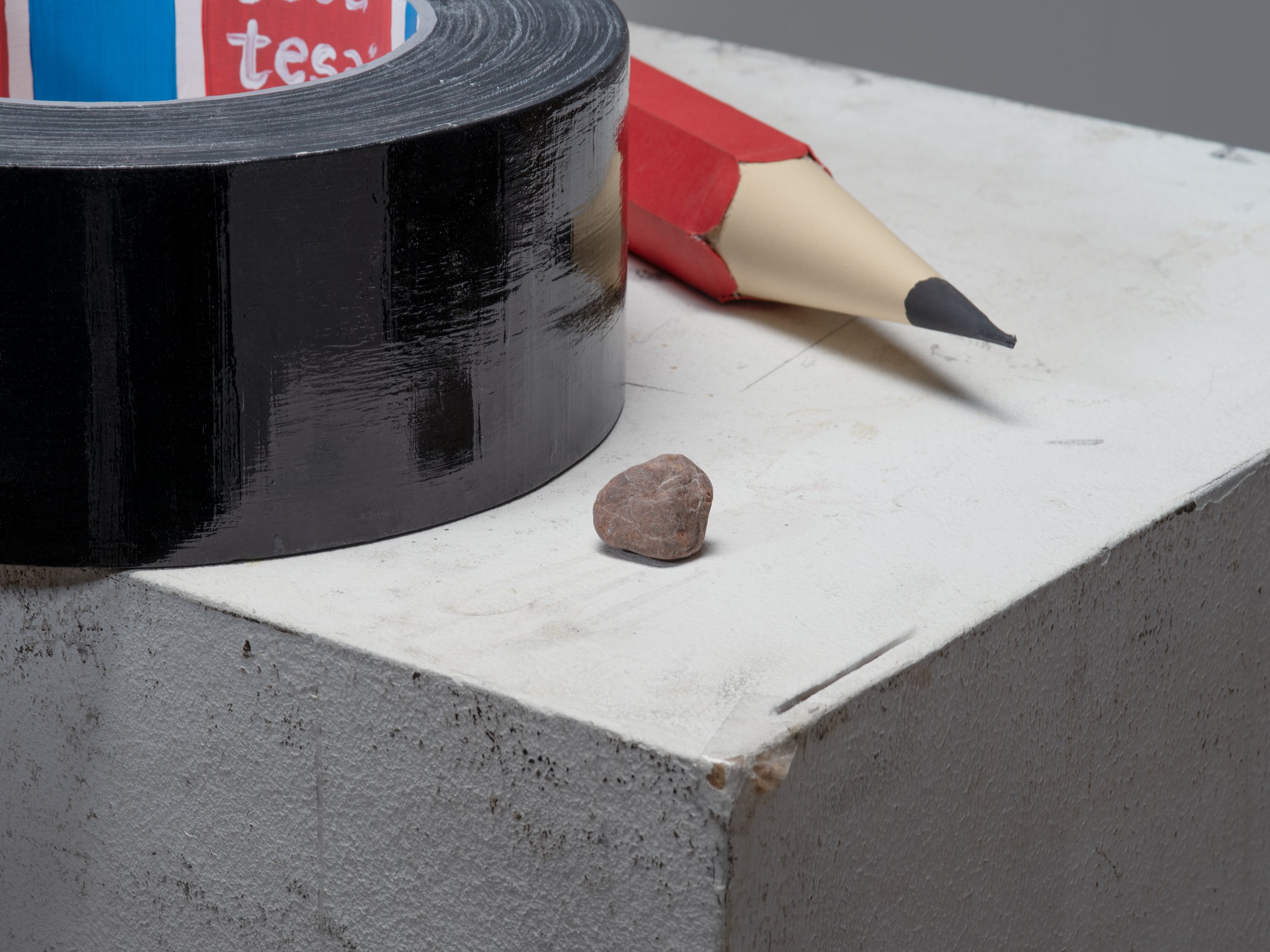
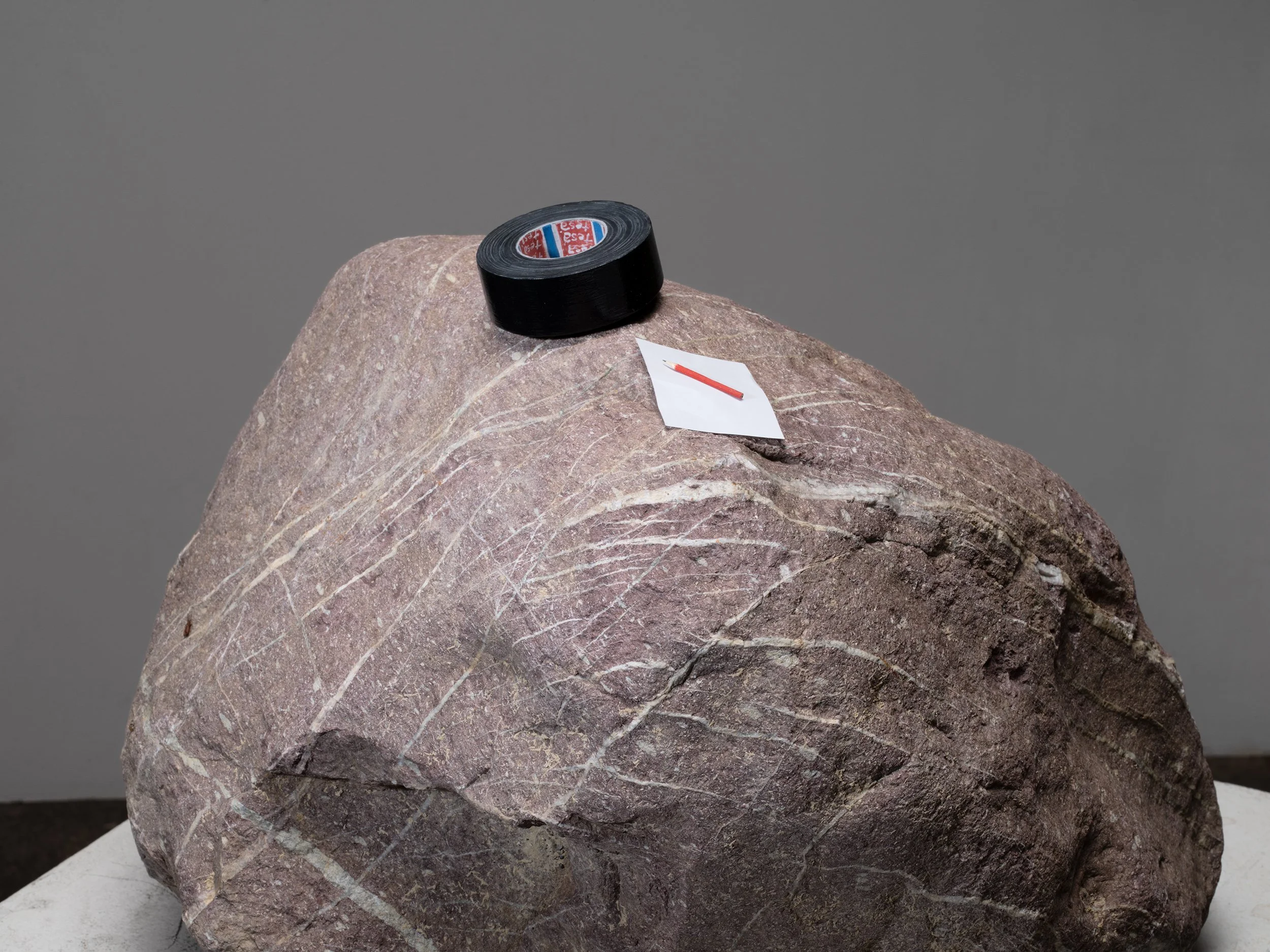
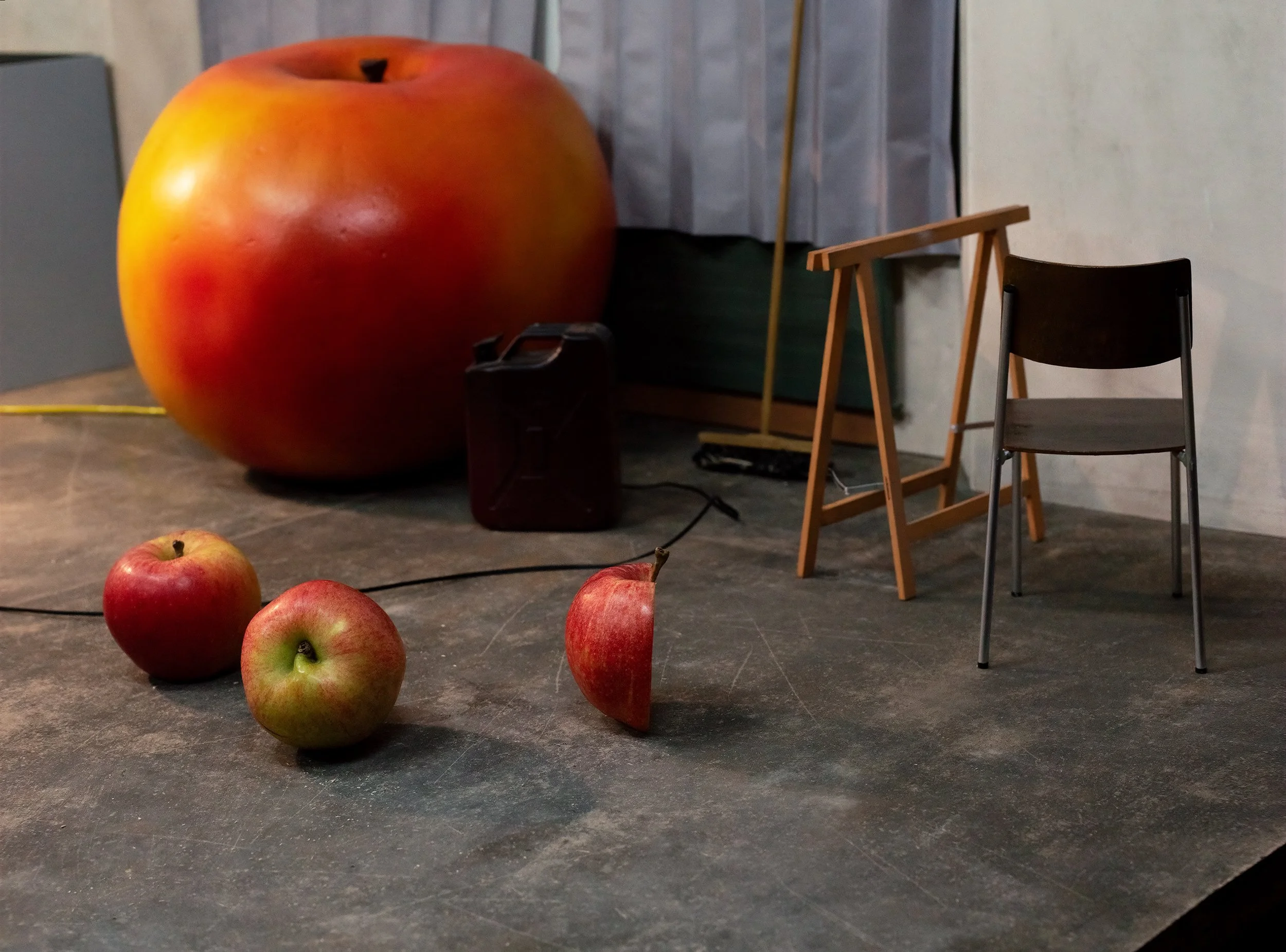
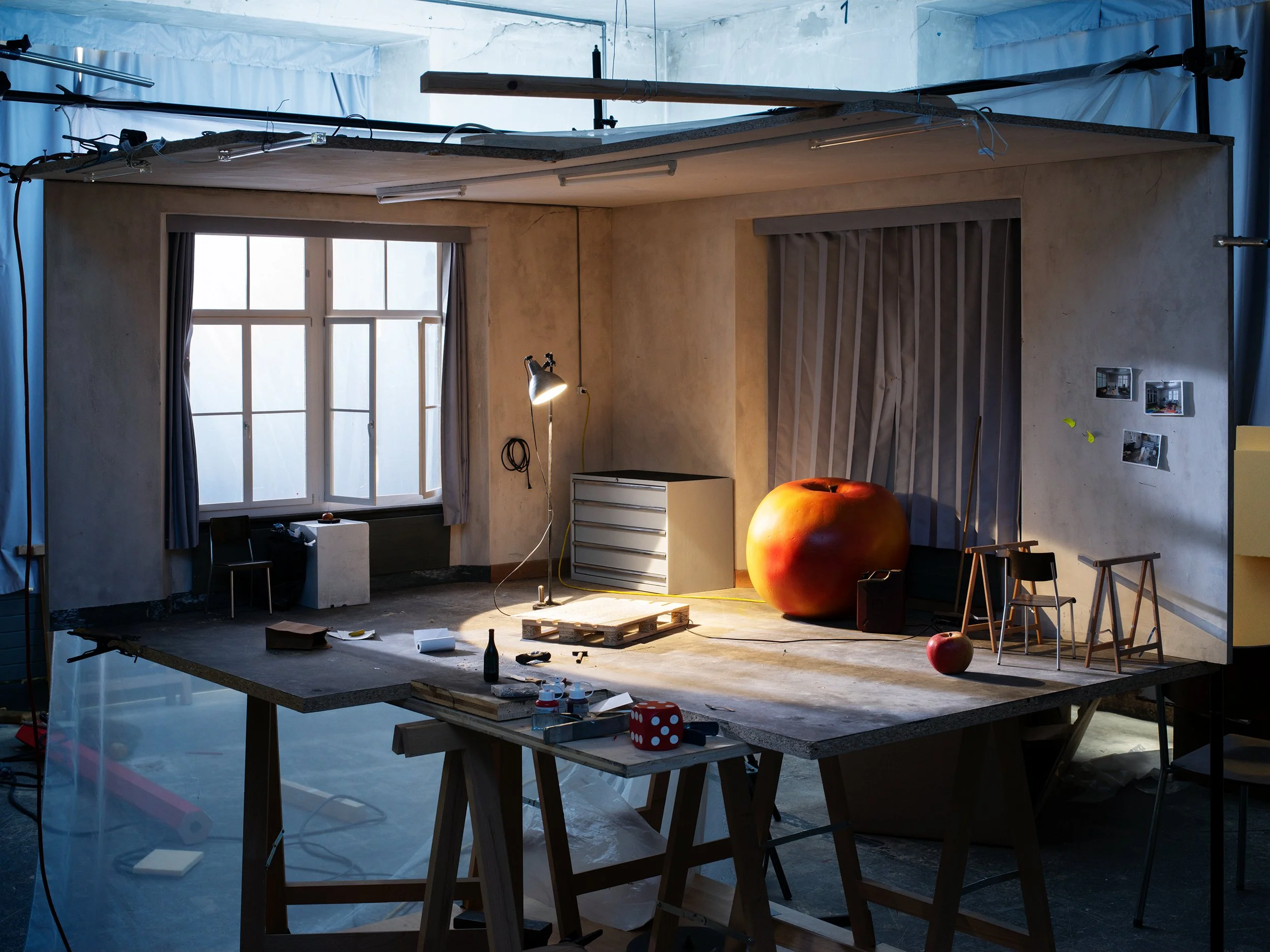
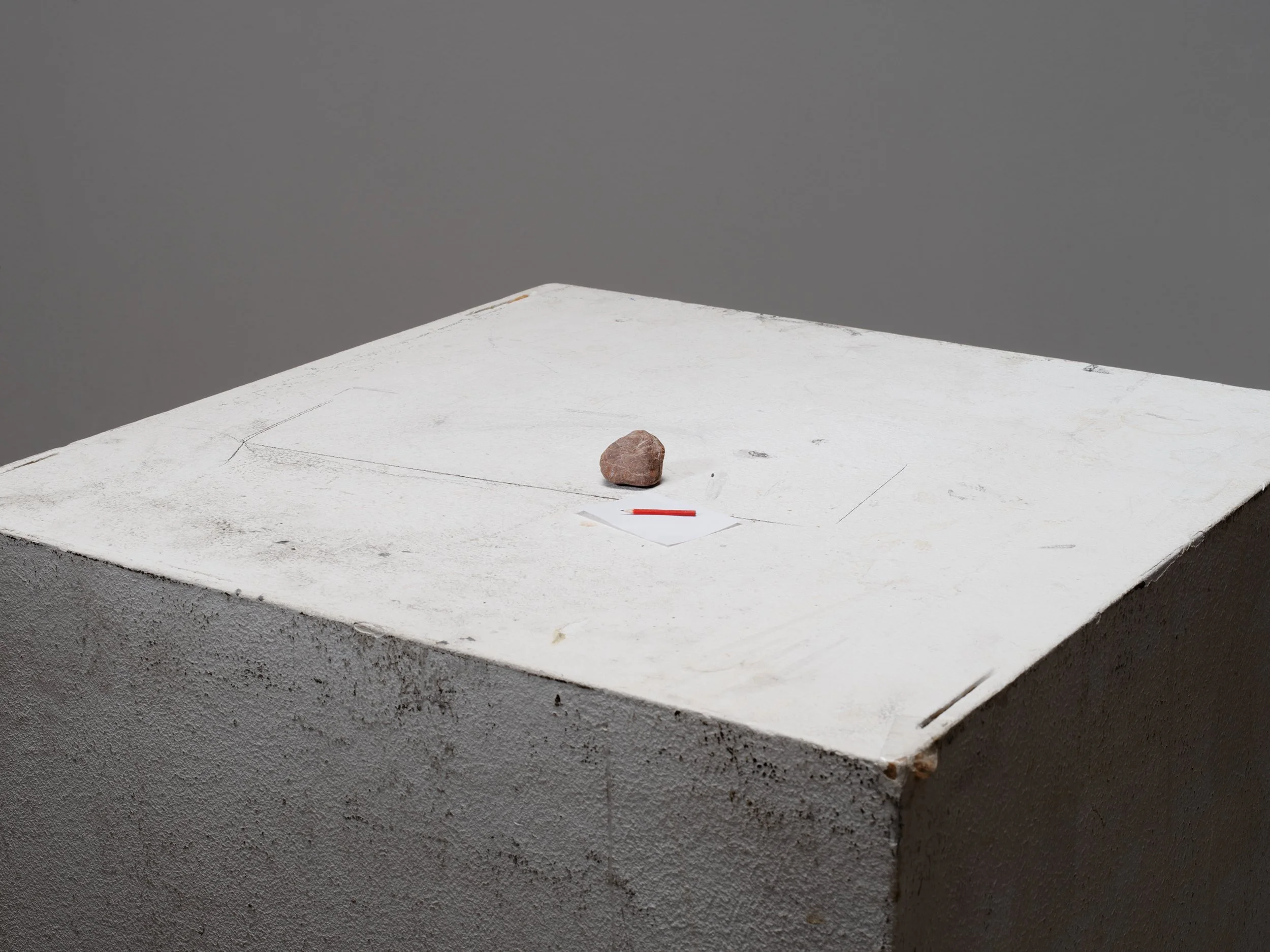
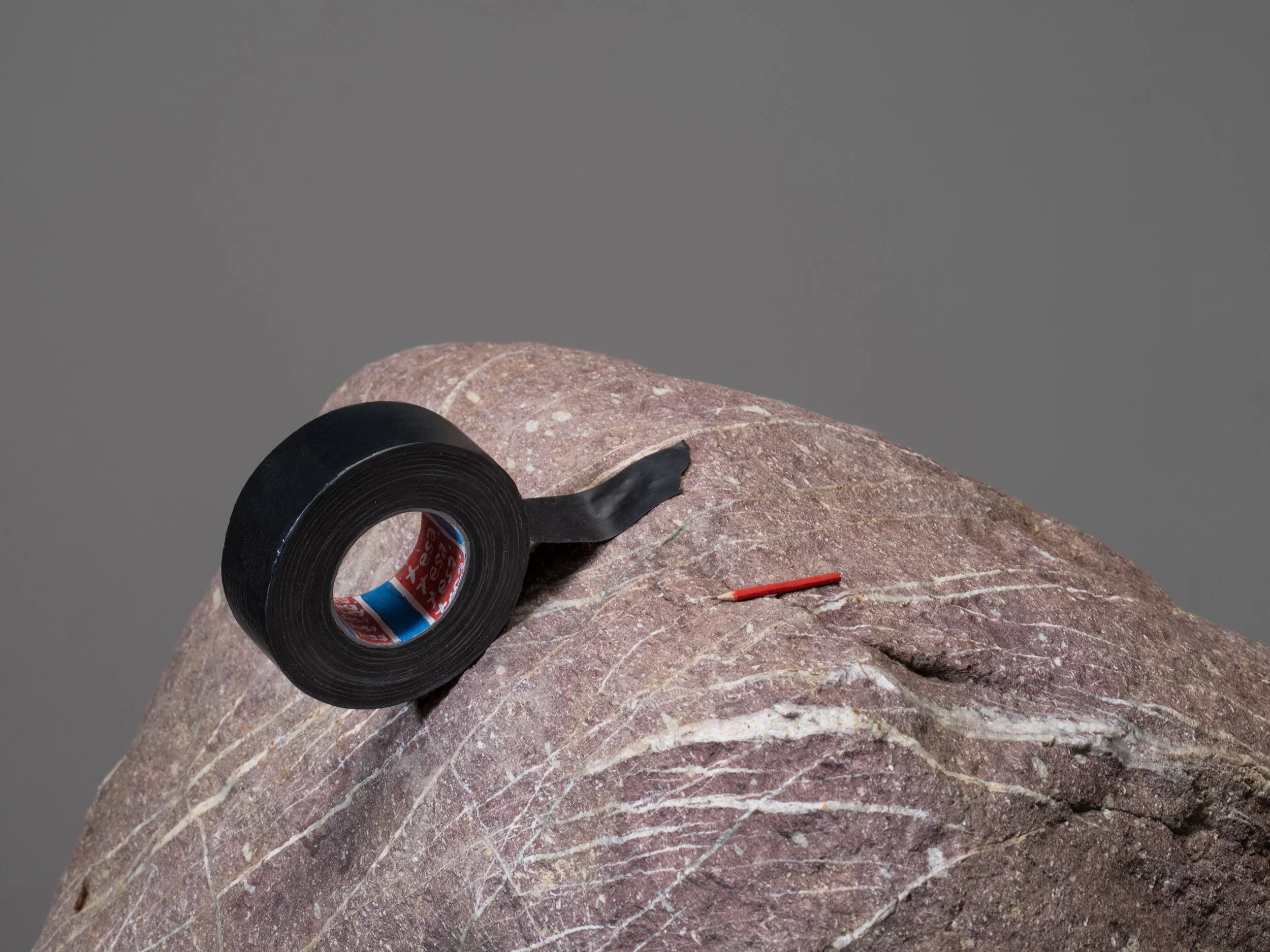
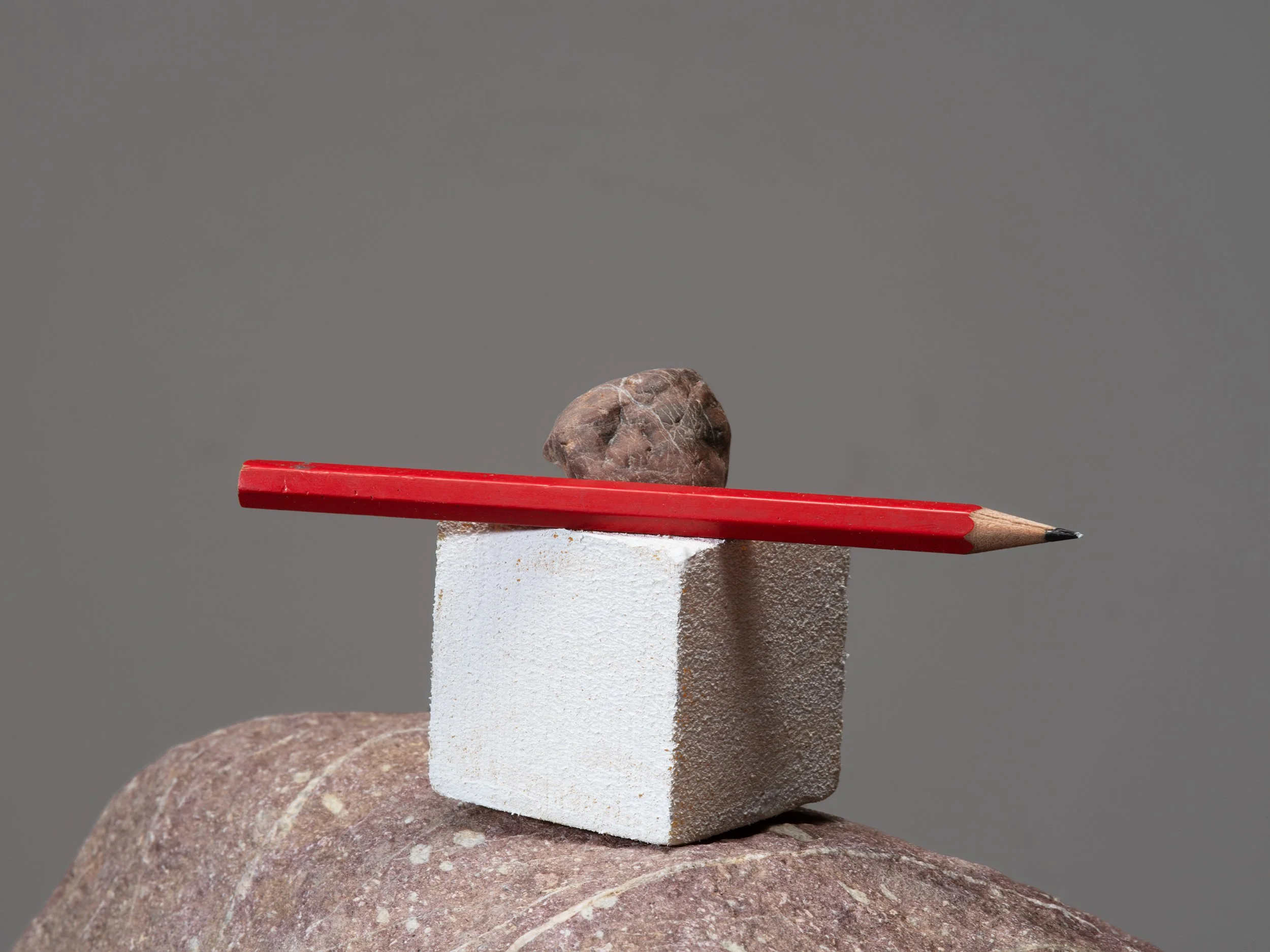
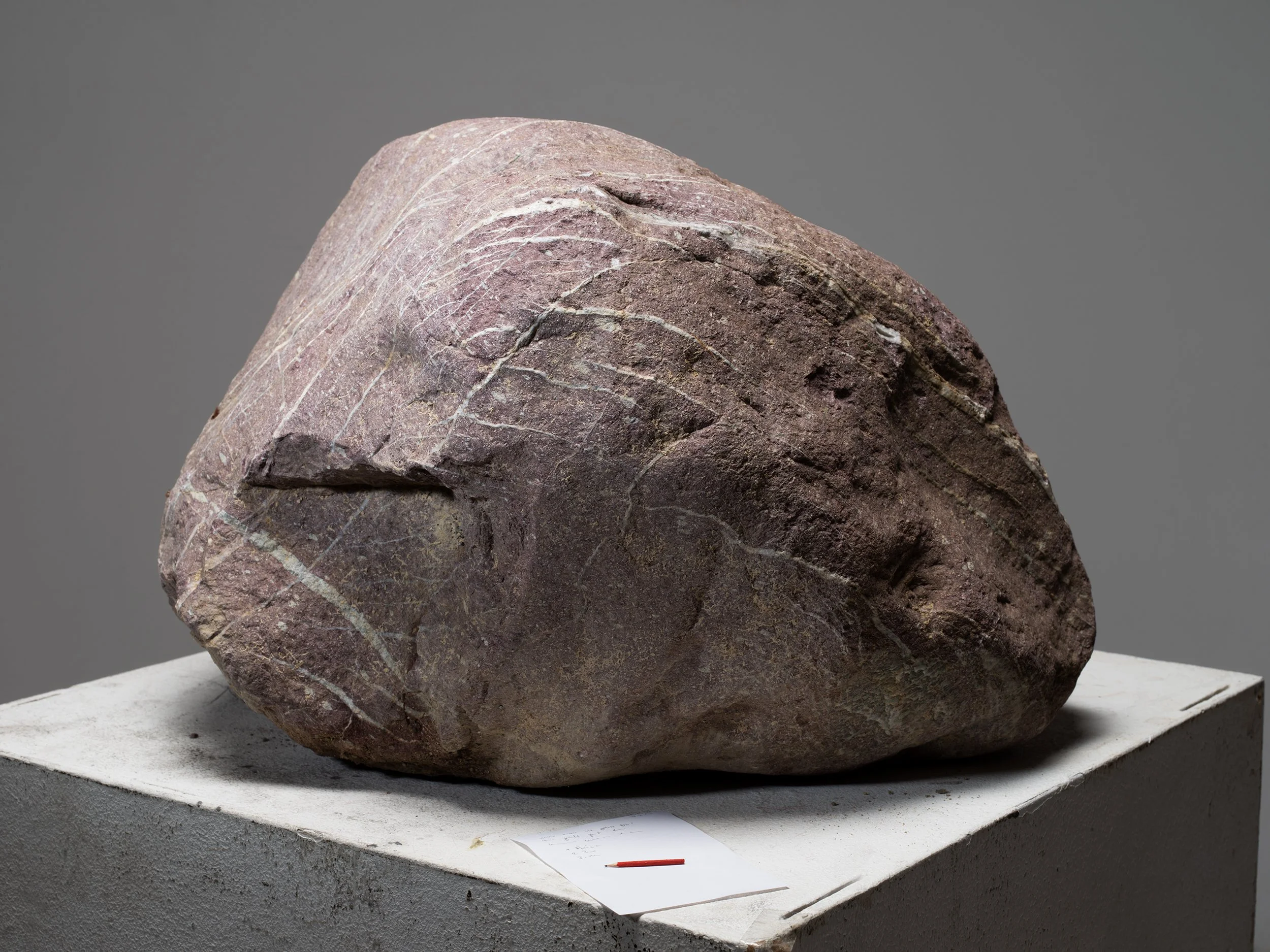
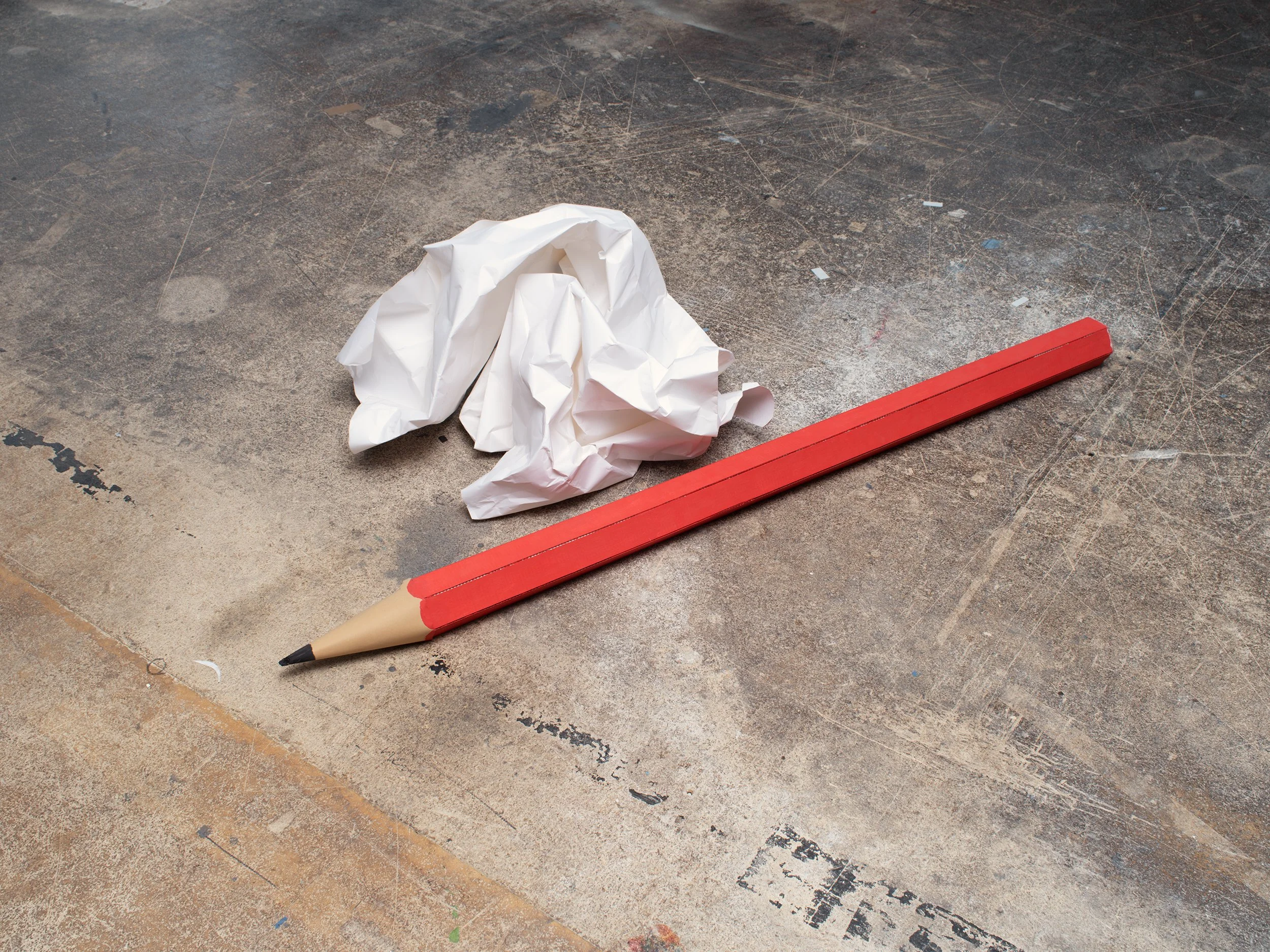
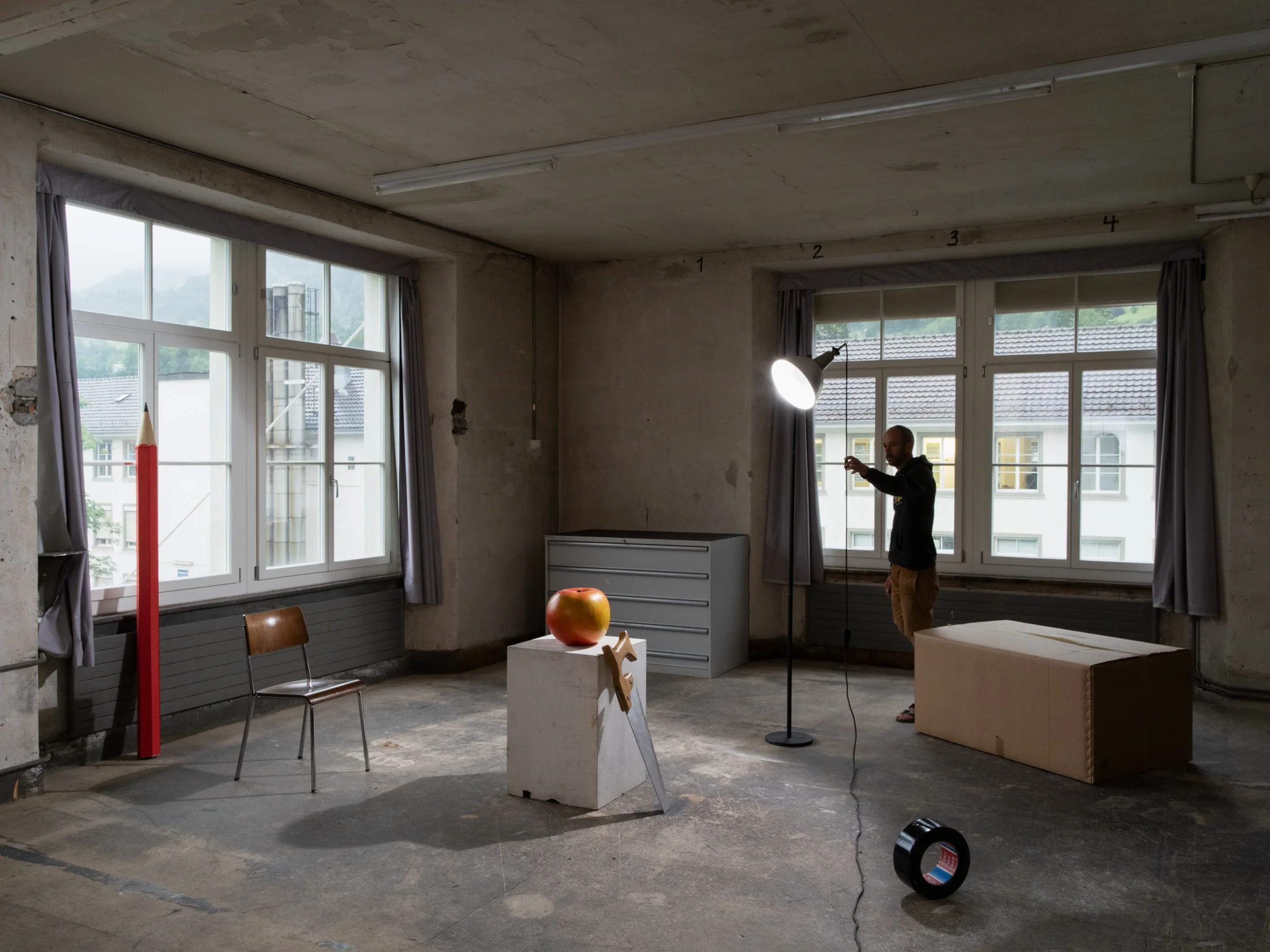
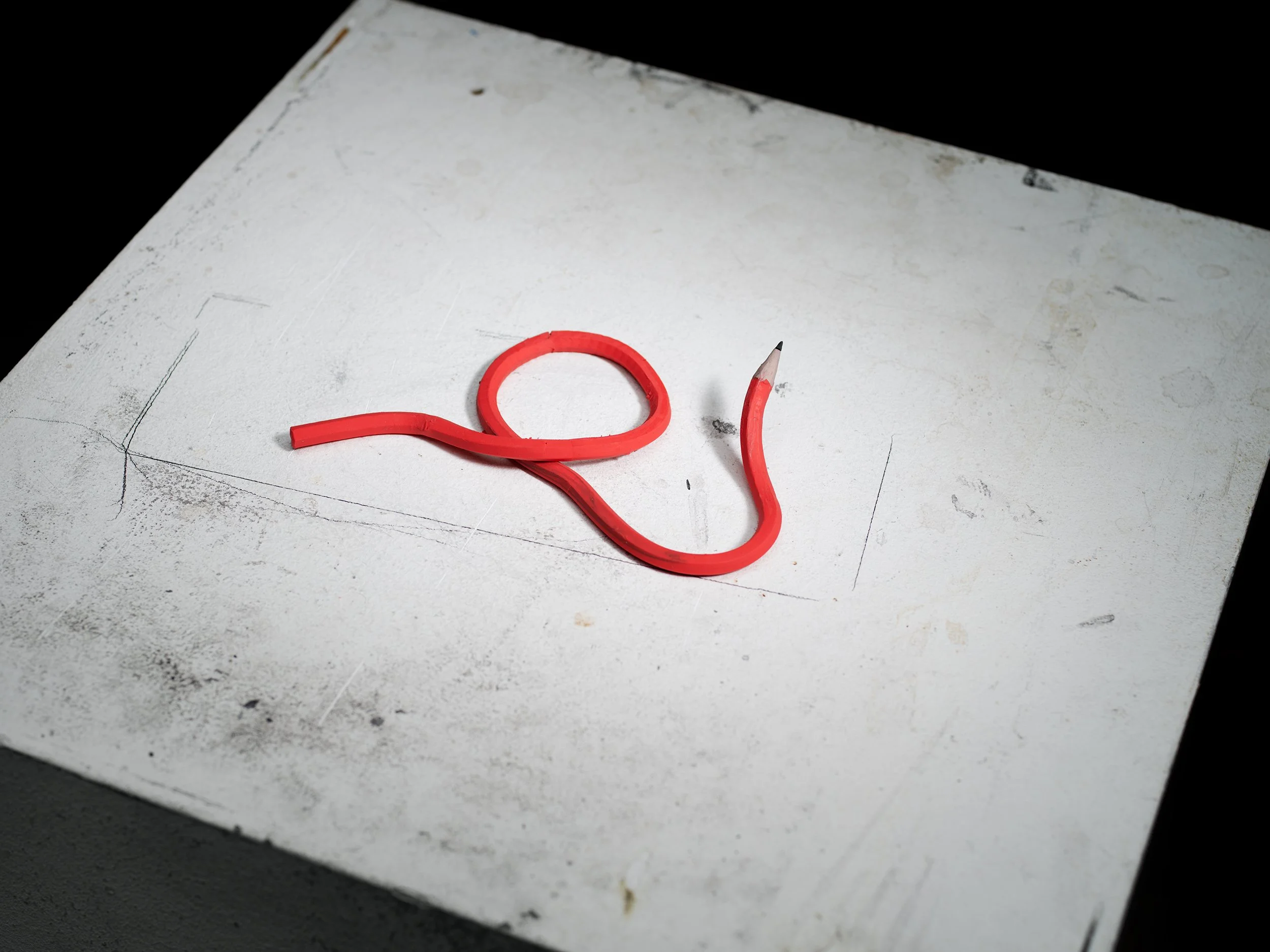
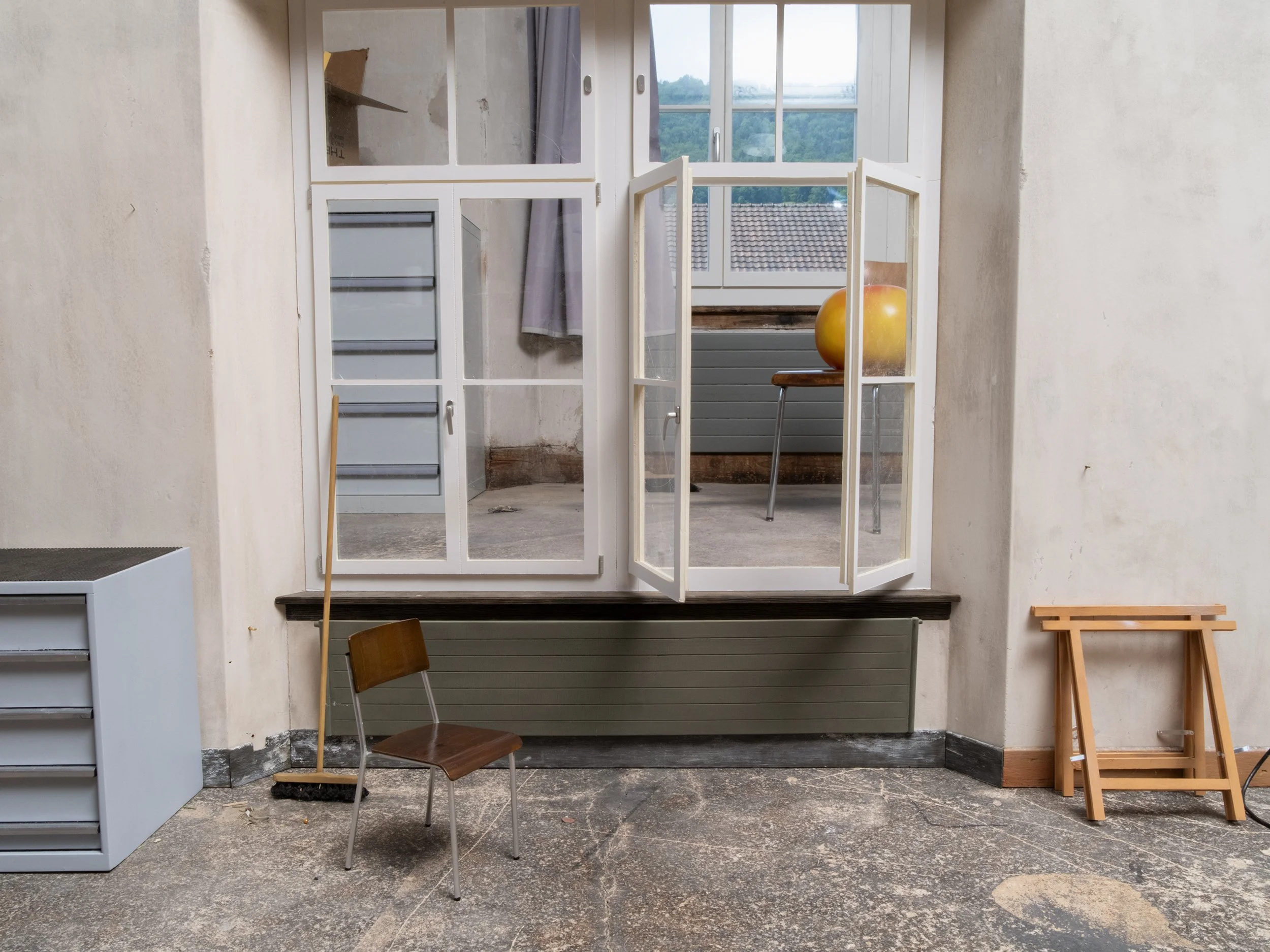
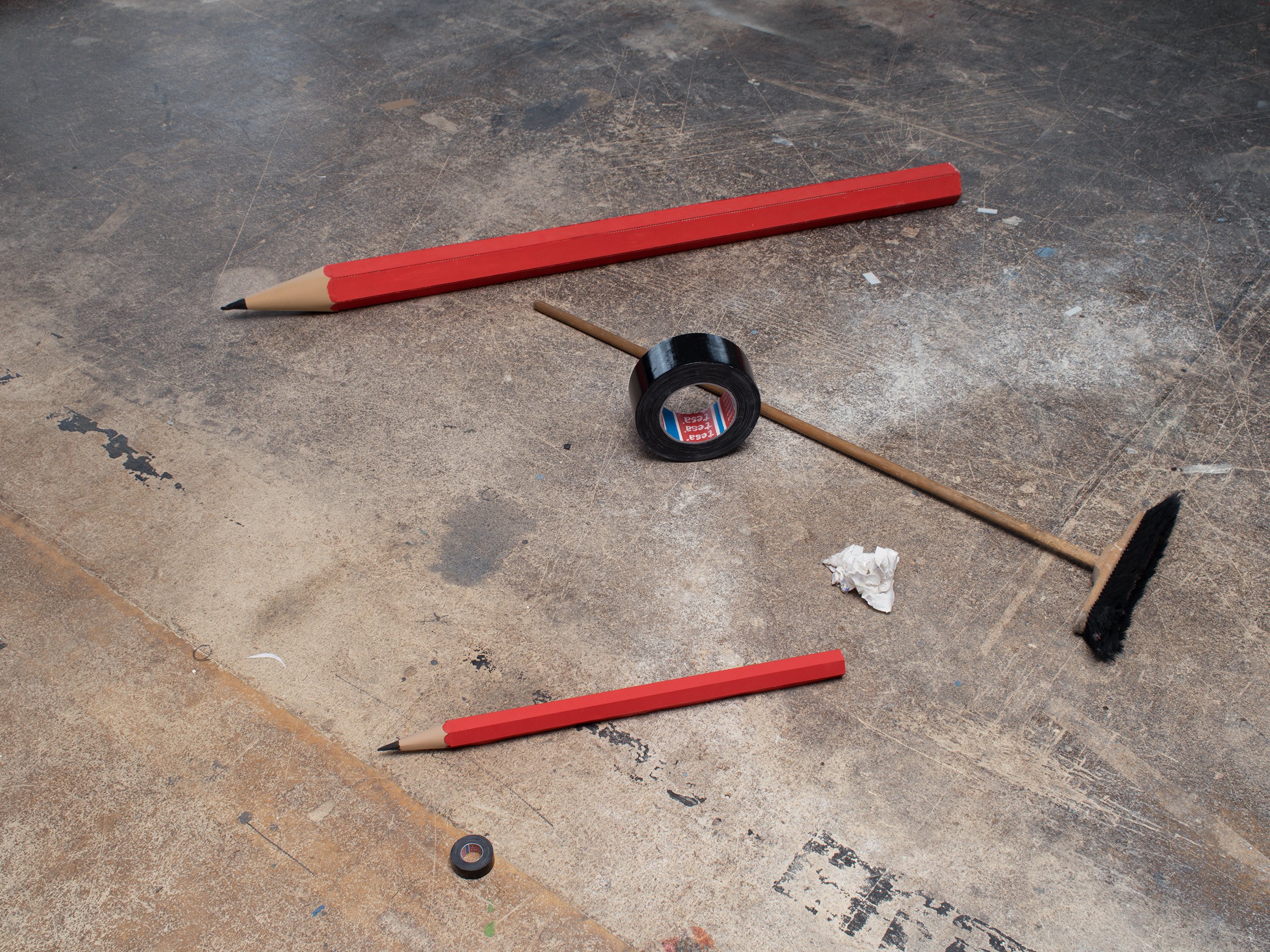
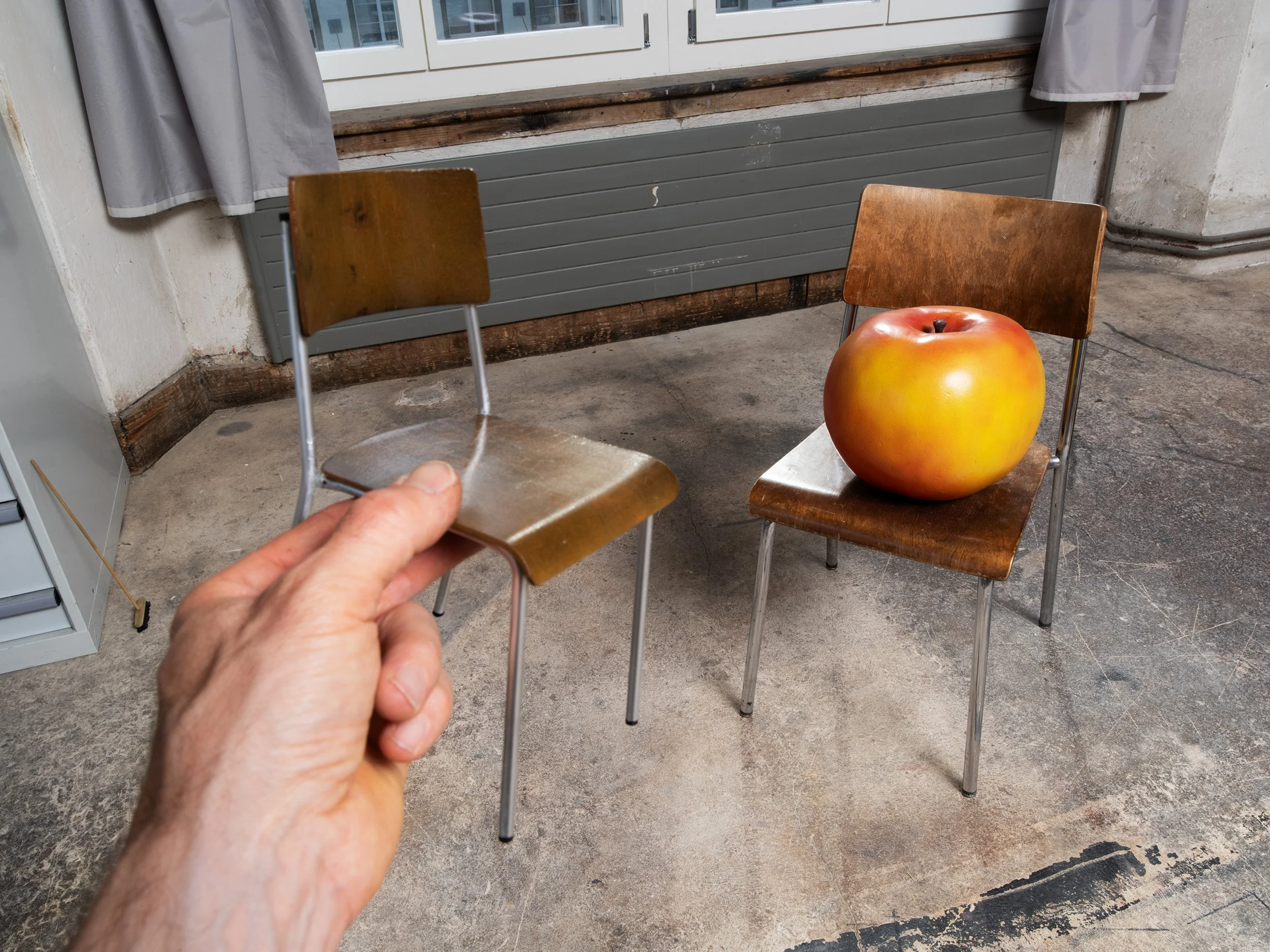
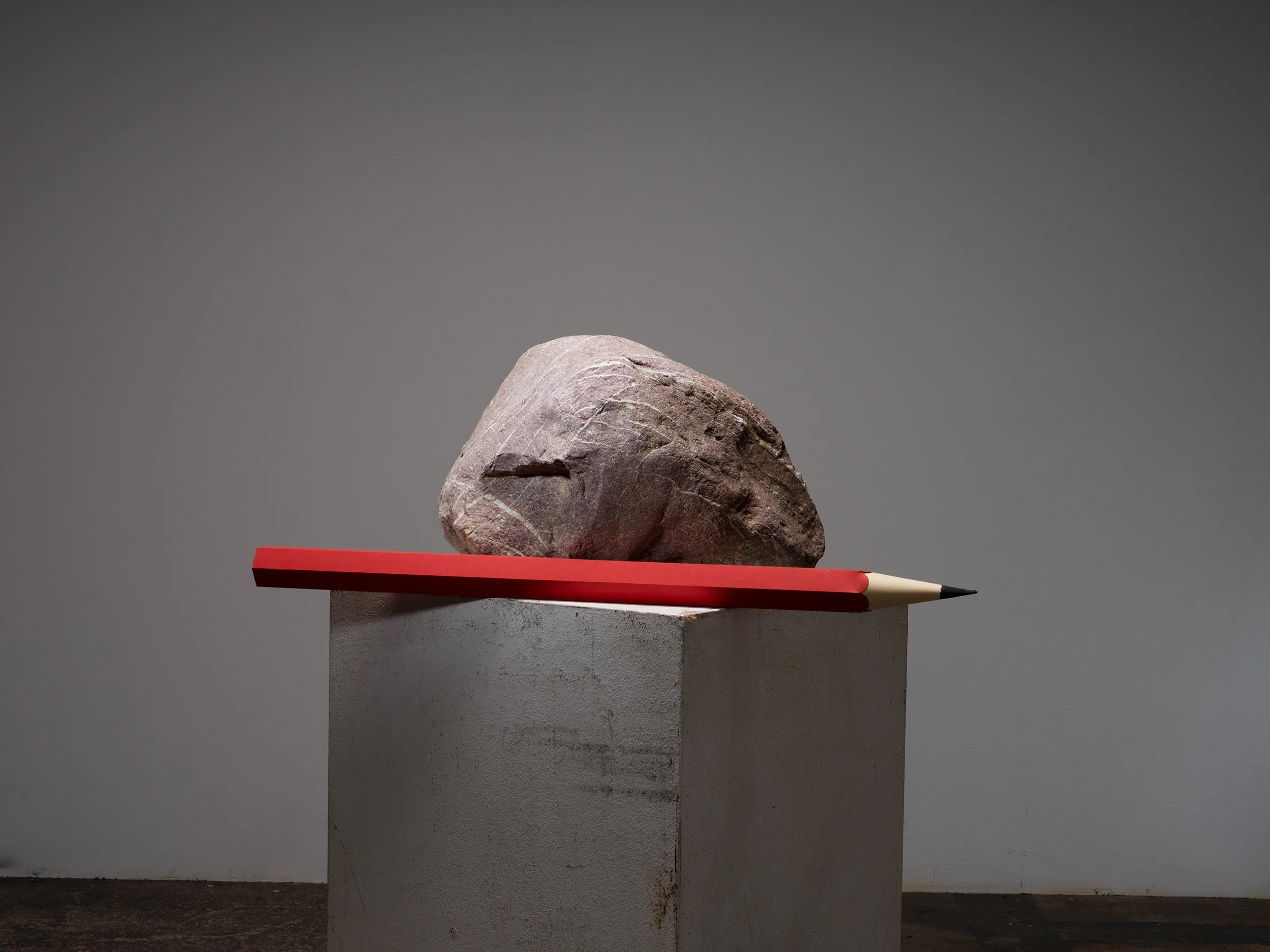
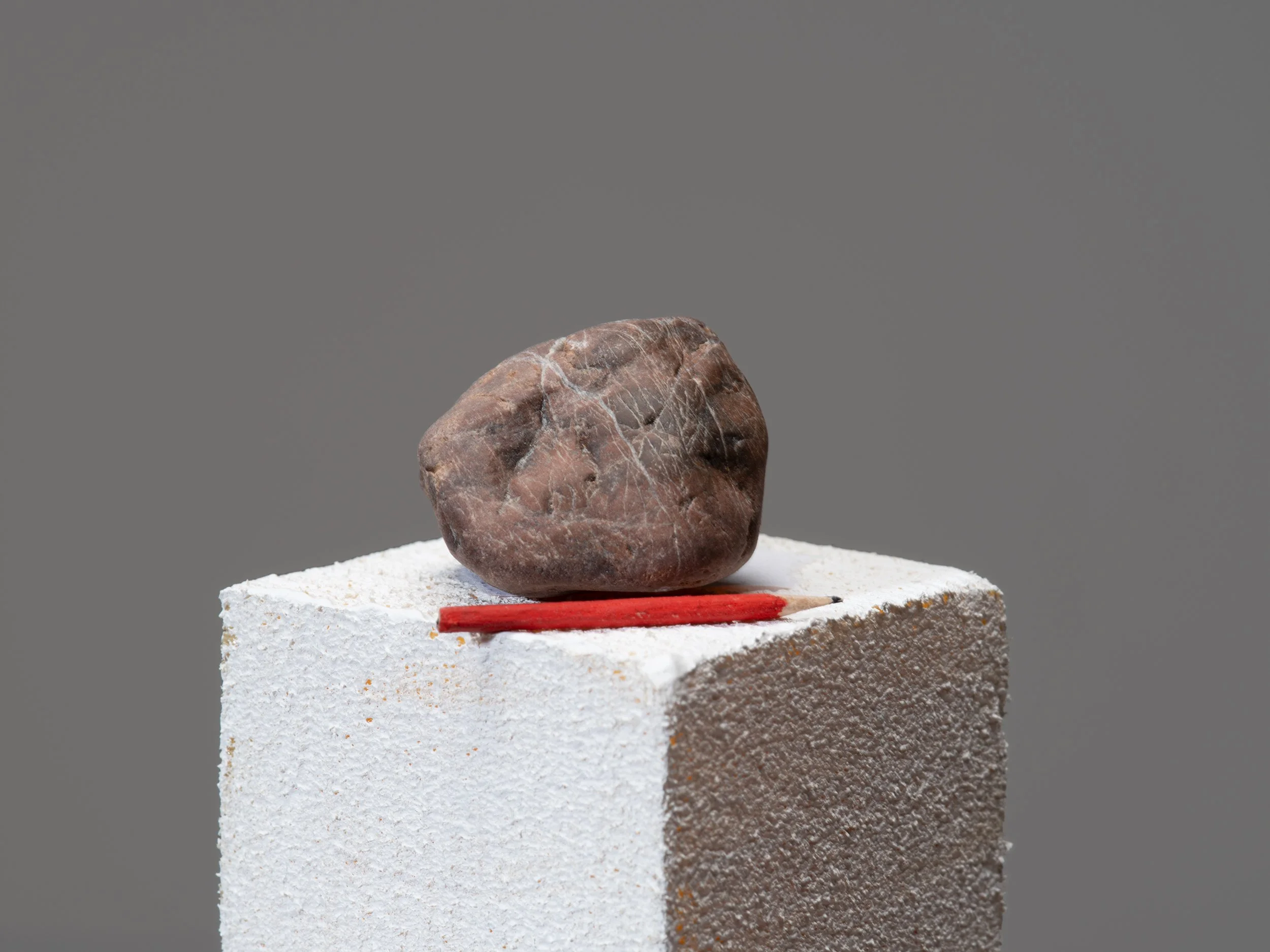
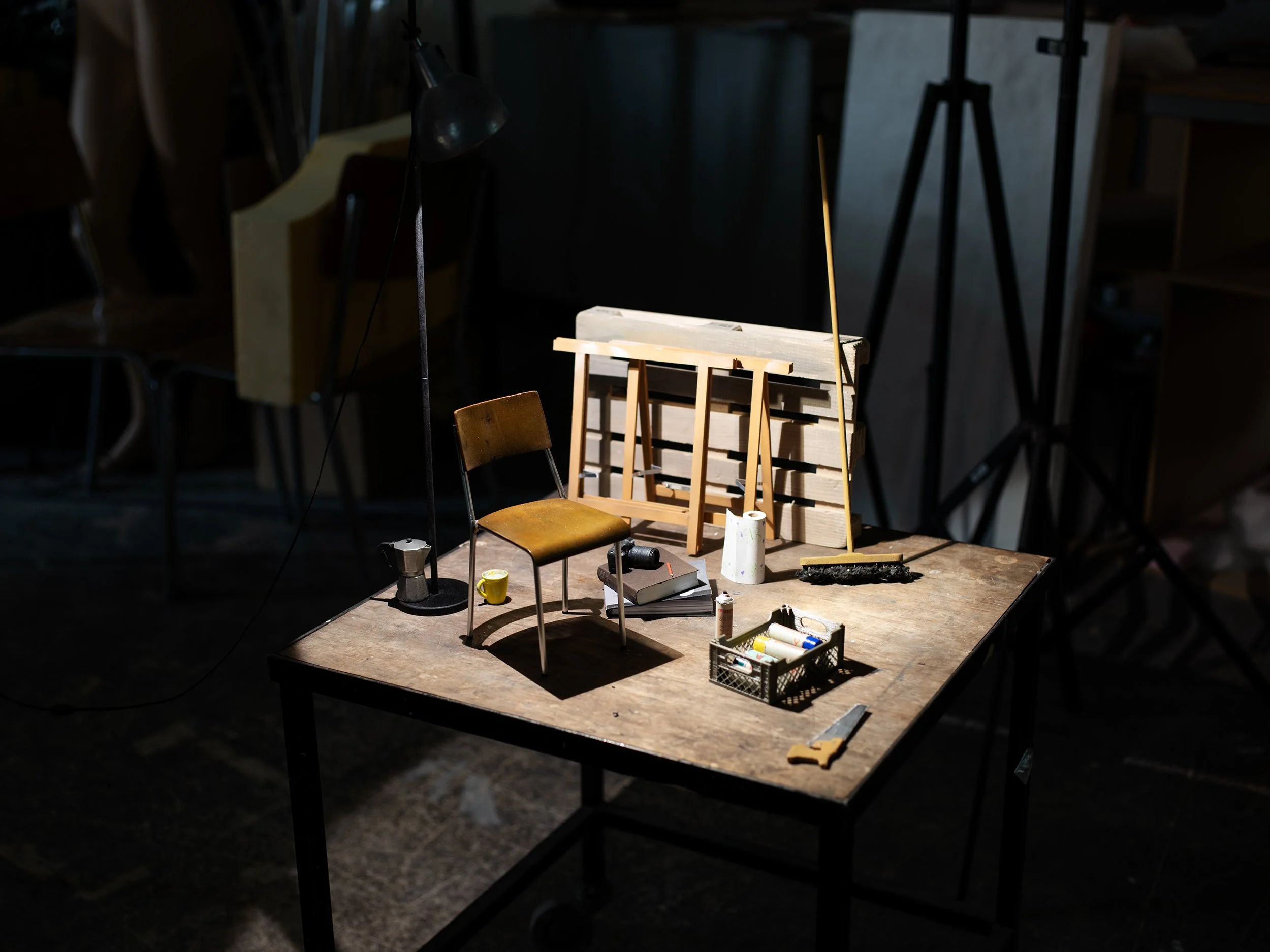
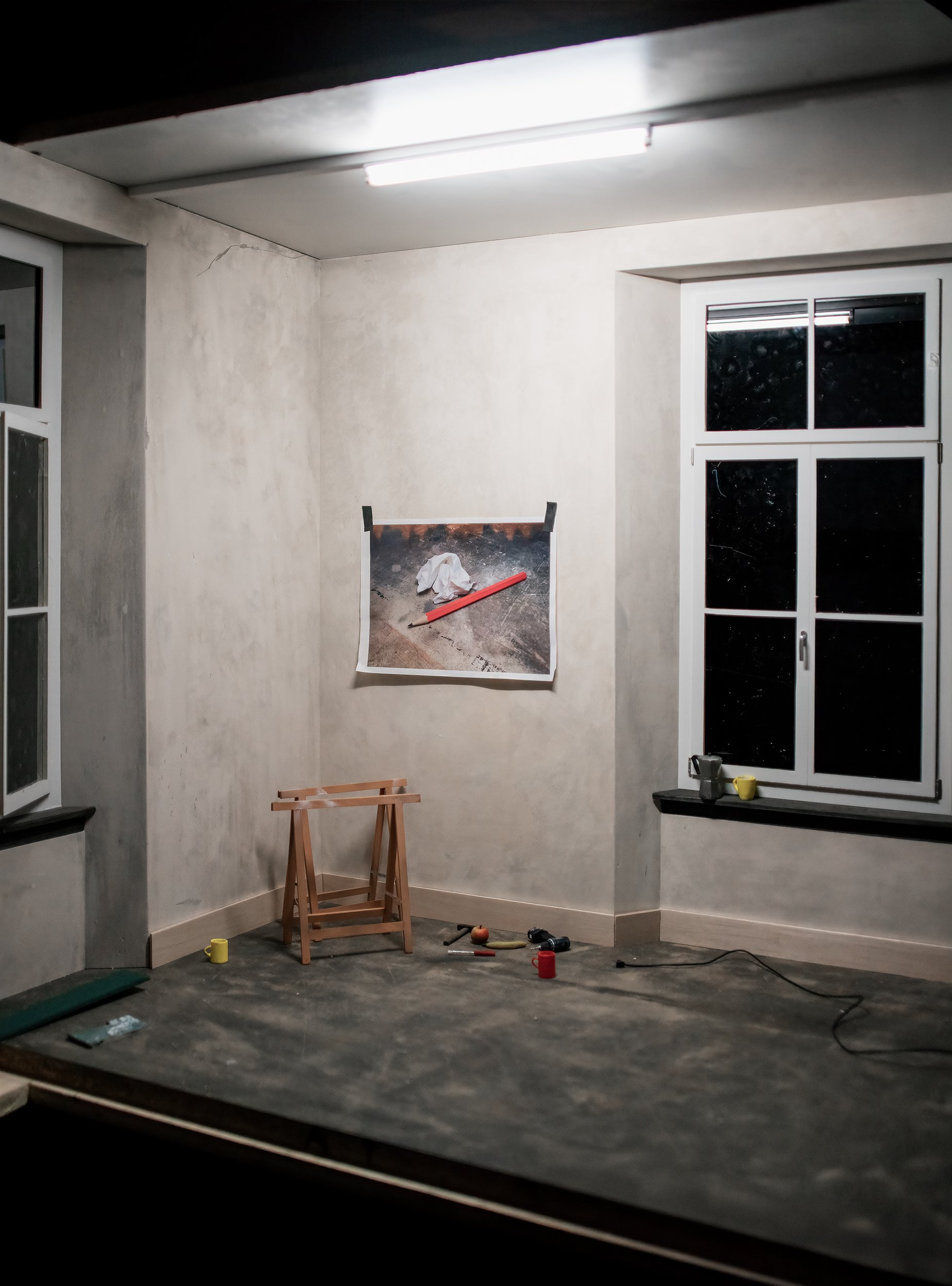
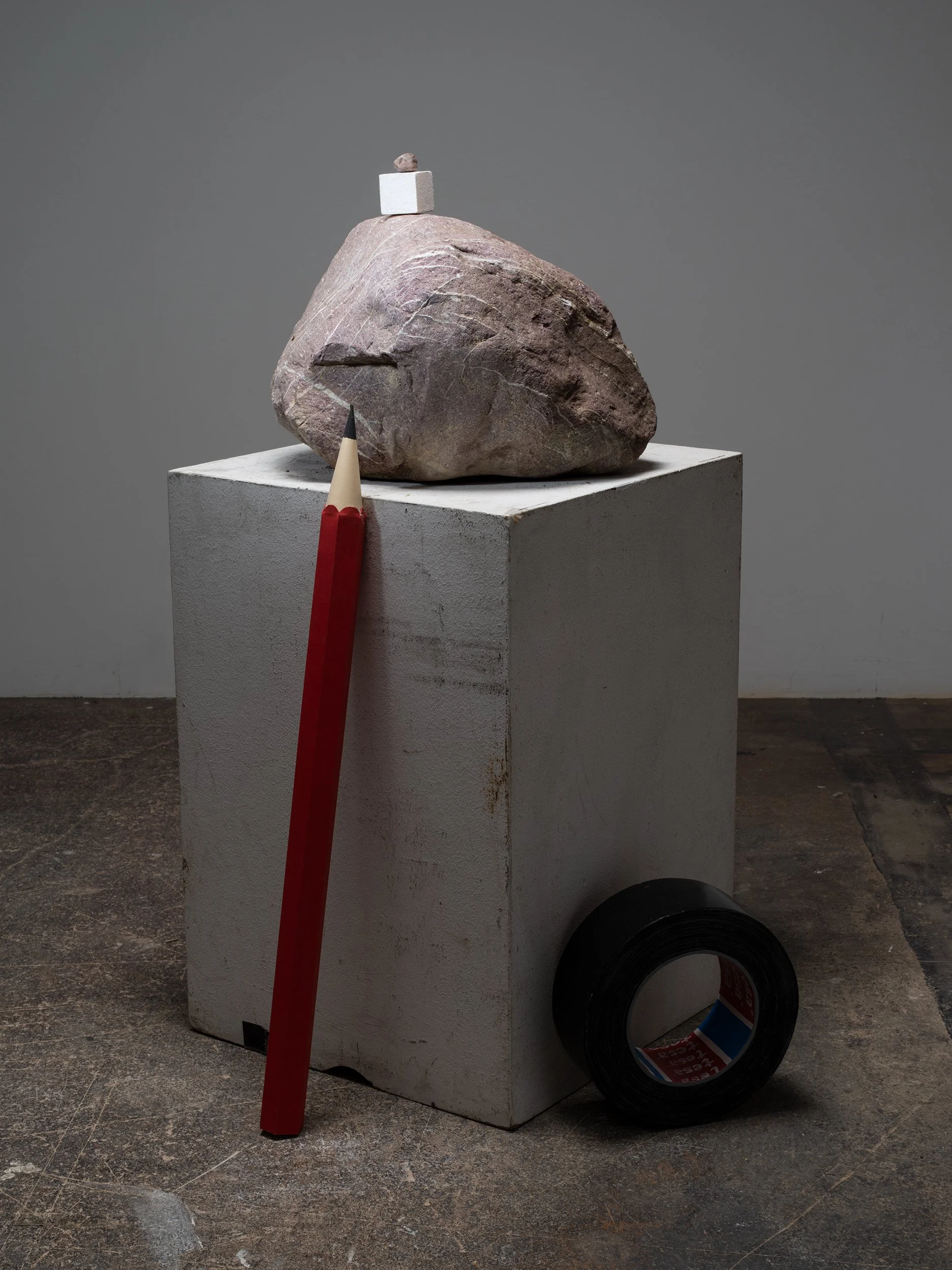
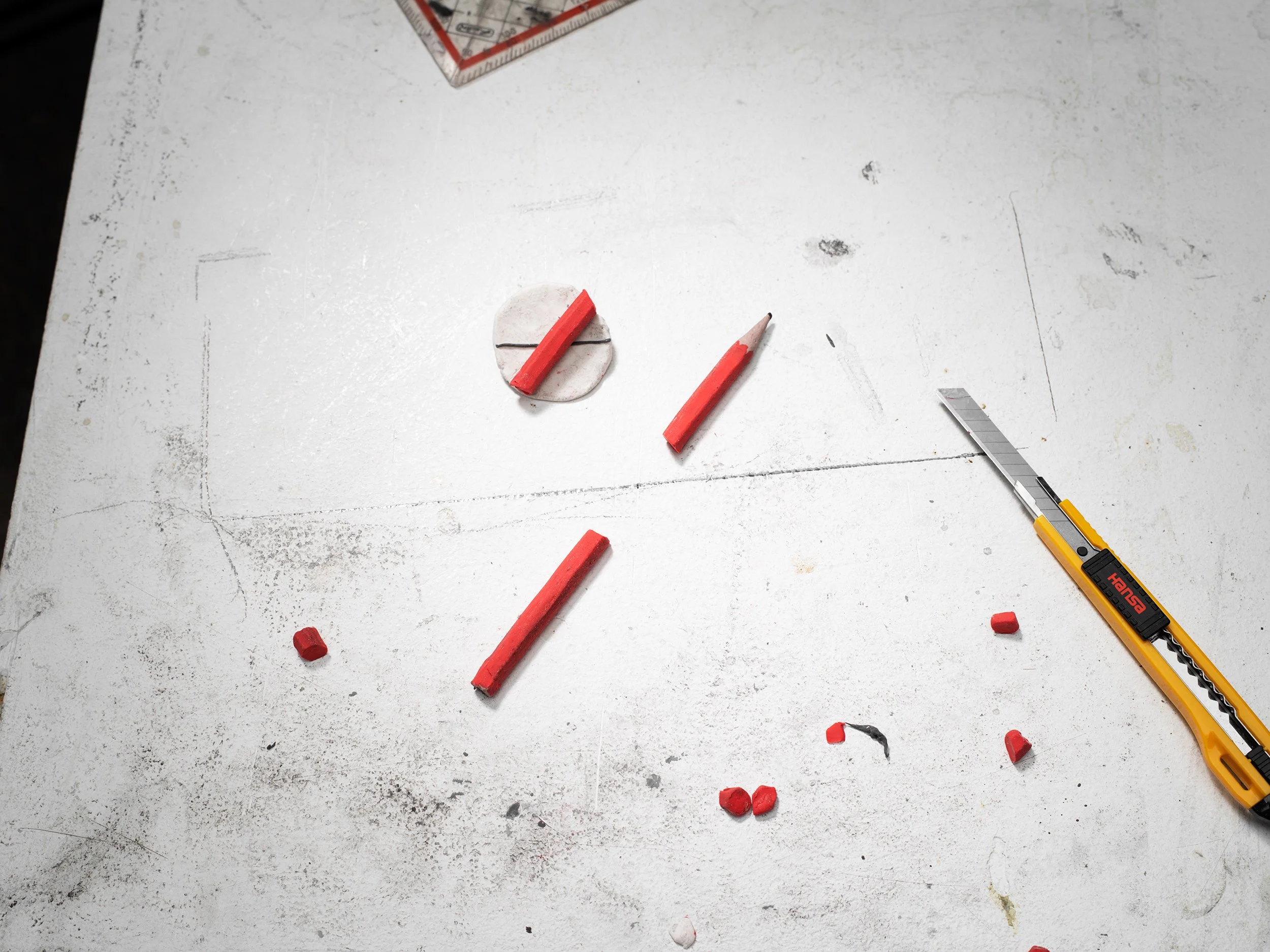
A few years ago, with their first book Double Take, Cortis & Sonderegger surprised the international art scene with a masterful series of recreations of iconic photographs that were actually models built in their studio. Now, it is this very same studio—the workspace and the objects that occupy it—that offers a clever twist. Sitting halfway between reality and a replication of that reality, Studio immerses us in illusion and trompe-l'œil to test how accurate our perception might be.
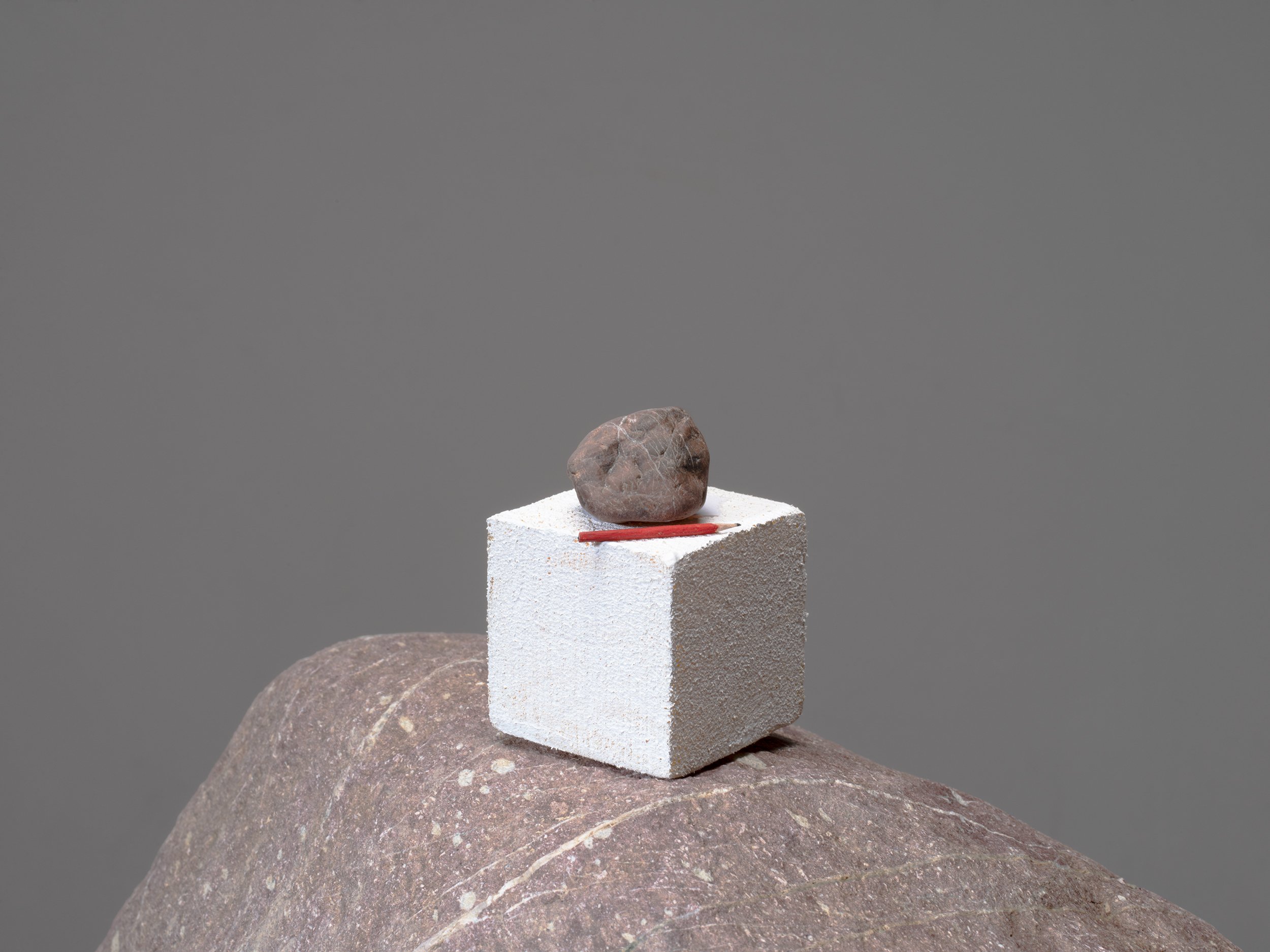
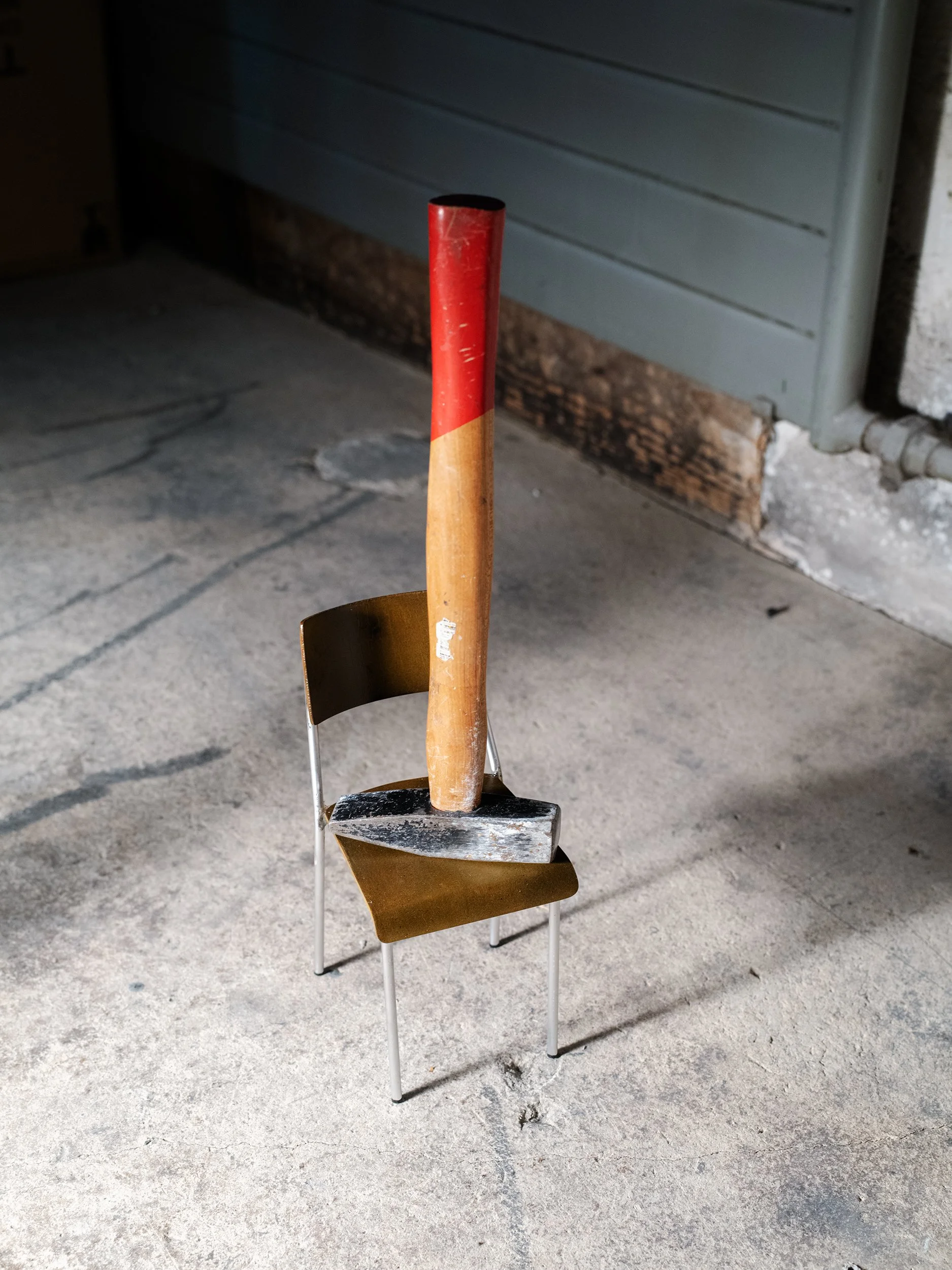
At first glance, the images seem to be straightforward photographs, documentary records of a cluttered interior with furniture, tools, and rays of sunlight filtering through the window. However, something soon becomes disturbing: impossible proportions, textures that betray scale, viewpoints that nullify plausibility, disruption introduced by the off-screen, objects and their mistaken doubles, incongruous geometries, and even the artists themselves appearing like Gulliver in the dwarf universe. We then discover that everything is as Antonin Artaud described: "jamais réel et toujours vrai" (never real and always true).
Here the studio becomes a stage, a model, a theater, a diorama, a playground, a laboratory, and a mirror. But behind this refined and visible deception, Cortis & Sonderegger challenge us to question notions such as truth, authenticity, and certainty. Our gaze is forced to pause, to critically reconstruct context, and to seek the necessary references to negotiate meaning. This is particularly urgent at a time when images have become the most powerful weapon for dealing with conflicts of all kinds. Thus, Studio is more than a work of art: it is a manifesto with a clear programmatic, pedagogical, and political message: nothing is as it seems.